Point of Rental is one of the most established names in equipment rental software, known for deep functionality across inventory, reservations, maintenance, and invoicing, especially for large, logistics-heavy operations.
That said, it’s not the right fit for every rental business. Many teams cite a dated interface, long onboarding timelines, complex pricing, and limited flexibility for modern, customer-facing workflows.
As rental businesses evolve, especially in events, party rentals, and multi-location operations, demand is growing for software that’s faster to learn, easier to use, and fully cloud-based.
Below, we break down 11 of the best Point of Rental alternatives in 2026, highlighting where each platform excels, where it falls short, and who it’s best suited for.

Table of Contents
What Are The Top Alternatives to Point of Rental?
Below, we highlight the top 10 alternatives to Point of Rental. For each, we explain where it shines, where it may fall short, and the types of rental businesses it serves best.
1. TapGoods (Best Overall Alternative)
TapGoods is the top-rated alternative to Point of Rental, especially for modern rental businesses seeking cloud-based flexibility and an excellent UX.
Pros:
- Two purpose-built products: one for party & event rentals, one for tool & equipment rental
- Clean, modern interface with a short learning curve
- Integrated online storefront for customer self-service
- Real-time inventory availability and conflict prevention
- End-to-end workflows for quoting, scheduling, delivery, and returns
- Scalable to support multiple locations
- Live, U.S. based customer support
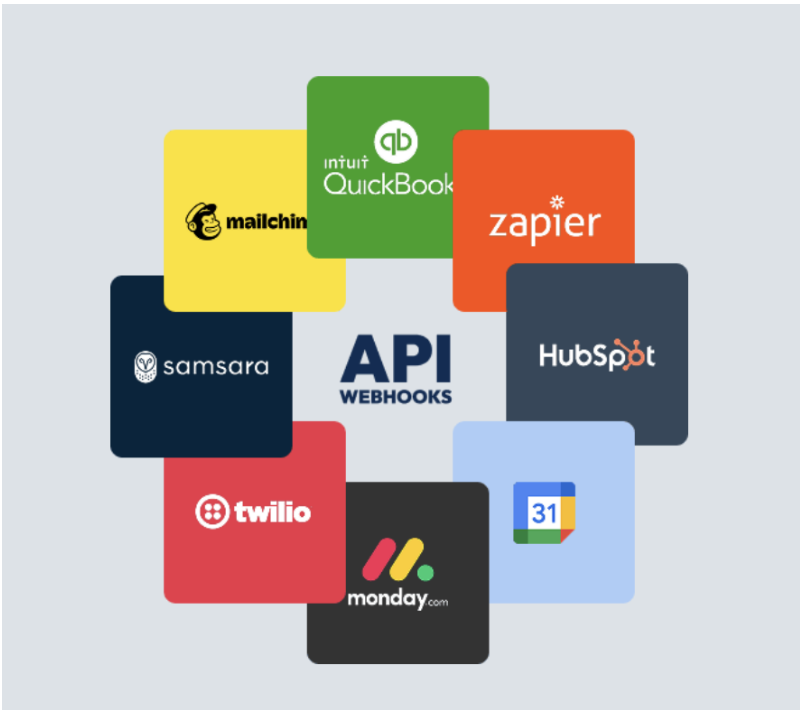
- Open API and webhooks for connecting tools like CRMs or project management platforms
Cons:
- Not designed for recreational or hourly rentals that require real-time, minute-by-minute availability
- Premium features may require higher-tier plans
Why it’s the best alternative to Point of Rental: TapGoods balances power and usability better than most legacy systems. For rental companies prioritizing speed, clarity, and customer experience—without giving up operational control—it’s one of the strongest Point of Rental alternatives available today.
2. Goodshuffle
Goodshuffle caters to event professionals and AV rental companies.
Pros:
- Optimized for event workflows
- Integrated light-weight CRM and invoicing
- Integrated with Quickbooks
- Customer portal and online payments
- Strong visual inventory system
Cons:
- Less functionality for heavy equipment or B2B rentals
- Limited maintenance tracking features
- No open API for deeper integration
Goodshuffle is ideal for event professionals who want a polished, easy-to-use platform that simplifies quoting and client interactions.
3. Quipli
Quipli is built for equipment rental shops—especially those in construction, tools, or medical supply.
Pros:
- Robust fleet management and service tracking
- Online booking with dynamic pricing
- Integration with QuickBooks
Cons:
- A less intuitive interface, so some users find the initial learning curve steep
- Weaker visual catalogs and storefront features
- No open API for deeper integration, so you can’t integrate with other software you may use
- There is no low-cost tier for smaller rental companies. Quipli starts at $6000 per year
Quipli is a solid choice for businesses focused on uptime, asset ROI, and high-value inventory turnover.
4. Booqable
Booqable is lightweight, intuitive rental software best suited for small to mid-sized businesses.
Pros:
- Simple setup and onboarding
- Online store builder with inventory sync
- Affordable pricing tiers
Cons:
- Not suited for complex maintenance or logistics
- No automated maintenance schedules
- Not suited for complex or multi-location operations
If you’re a small or early-stage rental business, Booqable offers great value without steep complexity.
5. EZRentOut
EZRentOut is a feature-rich platform often used by enterprise teams managing large asset inventories.
Pros:
- Enterprise-grade asset and rental tracking
- Barcode/RFID integration
- Supports recurring billing
Cons:
- Can feel overwhelming for smaller teams
- Some interface elements feel dated
EZRentOut is ideal for operations that manage complex asset-tracking needs.
6. Rentrax
Rentrax is a generalist rental software that supports retail and B2C workflows.
Pros:
- Quick setup with POS features
- Integrates with Stripe and Square
- Flexible rental duration settings
Cons:
- Limited maintenance and logistics depth
- More focused on volume-based, short-term rentals
- No open API for deeper integration
Rentrax is a good fit for stores with walk-in traffic, fast turnover, and less technical equipment.
7. InTempo Software
InTempo is an enterprise-grade system designed for large, heavy-equipment rental operations.
Pros:
- Deep maintenance and service history tracking
- Supports multi-location, high-volume businesses
- Advanced reporting and job costing
Cons:
- Expensive and complex
- Requires significant IT involvement
InTempo suits large-scale operations with highly specialized teams.
8. Renterra
Renterra is a newer platform focused on simplicity and usability.
Pros:
- Web-based with real-time updates
- Transparent pricing
- Solid customer communication tools
Cons:
- Lacks depth in logistics and maintenance
- Fewer third-party integrations
Renterra is best for those prioritizing simplicity and user experience over advanced features.
9. Flex Rental Solutions
Flex Rental Solutions is designed specifically for AV and production rental companies.
Pros:
- Advanced logistics for AV companies
- Strong reporting engine
- Built for event production workflows
Cons:
- Steep learning curve
- May be too specialized for general rental needs
Flex is ideal if you’re renting to the entertainment or live event space with complex needs.
10. HireHop
HireHop offers a blend of affordability and powerful features.
Pros:
- Strong rental and service modules
- CRM, invoicing, and scheduling are built in
- Modular and scalable
Cons:
- Less intuitive User Interface
- UK-based, which may require localization for U.S. teams
HireHop suits rental companies looking for solid feature coverage at a lower price point.

Choosing rental software is a big decision. The right platform impacts daily operations, customer experience, reporting, and long-term growth.
To help teams evaluate their options more clearly, we’ve created several practical resources for rental businesses. These guides walk through common buying questions, feature comparisons, and real-world considerations so you can make a confident decision based on how your business actually operates.
Final Takeaway: Why TapGoods Stands Out in 2026
There’s no shortage of rental software options, but not all platforms are built for how rental businesses operate today. TapGoods offers the most compelling blend of modern design, ease of use, and powerful rental features. It’s particularly effective for event and party rental businesses, but scales well for others, too.
For rental companies looking to move faster, reduce friction, and deliver a better experience for both staff and customers, TapGoods is one of the most compelling Point of Rental alternatives available in 2026.