
In the event rental industry, pricing and billing aren’t just numbers—they’re your business’s foundation. Charge too little, and you risk losing money. Charge too much, and you risk losing clients. At the same time, unclear or outdated billing practices can create customer frustration and slow down your cash flow.
This guide walks you through how to price event rentals effectively, structure labor charges, and implement smarter billing models so you can increase profitability while delivering a seamless customer experience.
Why Pricing & Billing Are Crucial in Event Rentals
Event rentals are unique because no two events are the same. From weddings and corporate events to festivals and private parties, pricing must balance inventory value, service costs, and client expectations. Meanwhile, efficient billing ensures that you get paid on time while maintaining client trust.
Smart pricing and billing practices lead to:
- Higher profit margins per event
- Fewer disputes and billing delays
- More transparency with clients
- Better long-term financial stability

Table of Contents
Step 1: Pricing Strategies That Work
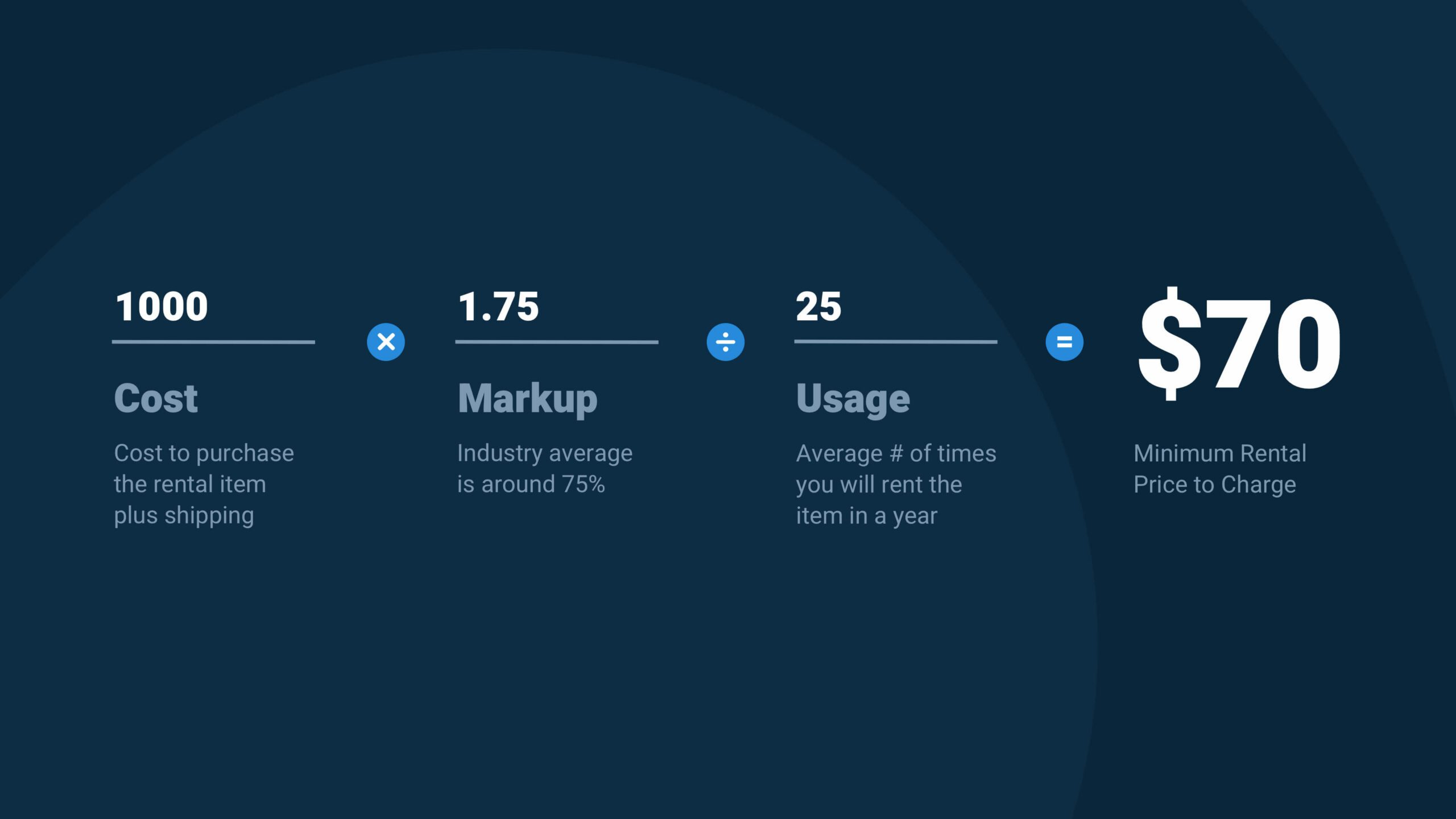
Pricing event rentals goes beyond simply marking up your inventory. You need a clear strategy that accounts for depreciation, demand, and the value you provide.
Best practices for pricing:
- Establish tiered pricing for daily, weekend, and weekly rentals
- Include prep, cleaning, and setup costs in your pricing model
- Research competitors to stay competitive while maintaining margins
- Offer bundled packages to increase order value
Step 2: Factoring in Labor Costs
Labor plays a big role in event rentals, whether it’s delivery drivers, setup crews, or teardown teams. Underpricing labor is one of the most common mistakes rental businesses make.
Considerations when pricing labor:
- Flat delivery or setup fees vs. hourly crew rates
- After-hours or rush-order surcharges
- Differentiating labor charges for weddings, festivals, or corporate events
- Building labor costs into bundled rental packages

Step 3: Understanding Billing Cycles
Events often involve multiple days of setup, usage, and teardown—so your billing model must reflect that. Traditional daily billing may not fit every event.
Billing cycle options for event rentals:
- Cycle Billing – Charge customers consistently (e.g., every 30 days) for long-term or recurring events.
- 28-Day Billing – A simplified monthly billing approach for rentals spanning several weeks.
Flexible billing helps you serve both one-time events and repeat corporate clients more efficiently.

Step 4: Measuring ROI on Your Inventory
Every item in your rental inventory is an investment. From high-end lounge furniture to restroom trailers, tracking ROI ensures you know which items are driving profits.
How ROI helps you:
- Identify underperforming items to phase out
- Justify adding new inventory categories
- Adjust pricing based on actual performance
- Optimize your purchasing decisions for the future

Scaling with Smarter Pricing & Billing
As your event rental business grows, pricing and billing strategies should grow with it. Modern rental software can:
- Automate contracts and invoices
- Manage flexible billing cycles
- Track ROI per item in real time
- Provide financial insights for smarter scaling
Businesses that nail pricing and billing enjoy better margins, smoother operations, and happier clients.
Final Thoughts
Pricing and billing may not be glamorous, but they’re the foundation of a successful event rental business. By setting the right rates, properly accounting for labor, adopting flexible billing cycles, and tracking ROI, you’ll build a business that’s both profitable and sustainable.
Use this guide alongside our in-depth resources to refine your pricing strategy and take control of your financial future.
Other blogs you may find helpful
- The Ultimate Guide to Starting and Scaling a Successful Event Rental Business
- Streamlining Event Rental Operations: Inventory, Logistics, and Efficiency Best Practices
- Marketing Strategies to Win More Customers in Equipment Rental
- Choosing the Right Event Rental Equipment for Every Occasion
- The Future of Rental Business Technology: Tools, AI, and Automation