At first glance, TapGoods, Goodshuffle Pro, and Booqable look very similar. They all offer inventory tracking, quotes, contracts, and online payments.
The real differences don’t show up on a feature list. They show up in how each platform handles busy weekends, delivery logistics, damaged inventory, and growth over time.
If you’re comparing your options, this guide breaks down how each party rental software fits different operational styles and business stages so you can choose with confidence.

Table of Contents
Why Event Rental Software Matters
For established rental companies, the question isn’t whether you need software. It’s whether the software meaningfully improves how your operation runs under pressure.
At scale, complexity compounds. Overlapping reservations, staggered deliveries, partial returns, damaged items, last-minute adds — none of these are unusual. They’re normal.
Rental software matters because it reduces cognitive load across your team. Instead of relying on memory, workarounds, or manual cross-checking, the system becomes a source of operational truth.
When party rental software is built well, it:
-
Makes availability reliable and automatic
-
Reflects real prep, cleaning, and repair cycles
-
Keeps sales, warehouse, and delivery aligned
The right platform makes operations predictable. And predictability is what allows rental businesses to grow without adding unnecessary stress or headcount.

TapGoods: Built for Real Party Rental Operations
TapGoods tends to work well for rental companies where inventory movement and logistics drive the day.
If your weekends involve multiple trucks, staggered pickups, partial returns, and items cycling through cleaning or repair, the platform is built to keep those moving parts aligned.
Where TapGoods performs best:
-
Availability updates in real time as items are reserved, returned, or moved to maintenance
-
Quotes, contracts, and invoices all connect to the same order — so staff aren’t checking three different places
-
Delivery and pickup scheduling reflects actual order status
-
Damaged items can be flagged immediately and removed from availability
-
Multiple locations can operate inside one system
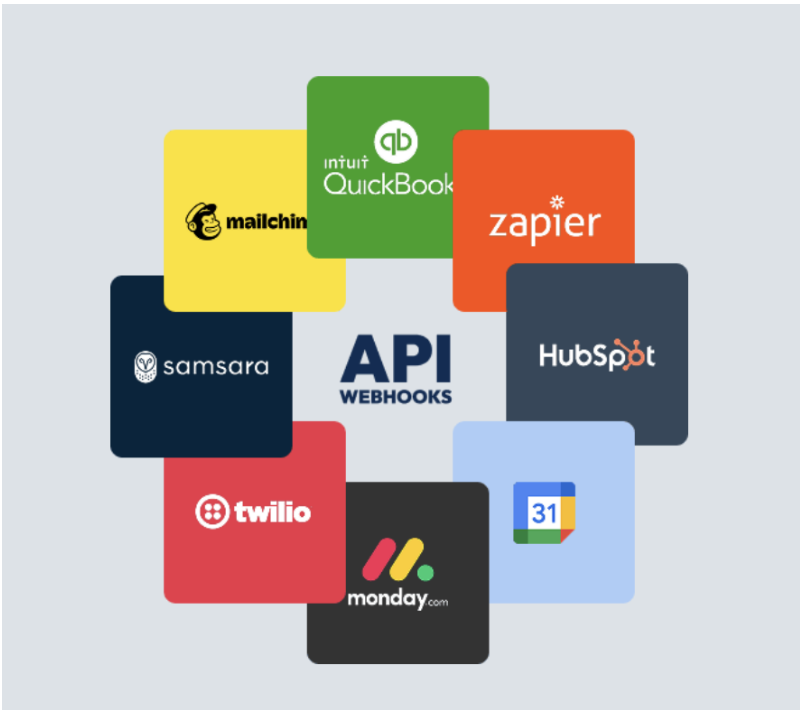
TapGoods also includes open API and webhooks, which can be important if you integrate your software with CRMs, accounting tools, or custom reporting systems.
Best fit: Rental companies managing high weekend volume, multiple trucks, or growing into additional locations — and who want the system to keep up without adding extra steps.
Goodshuffle Pro: Designed for Proposal-Driven Event Teams
Goodshuffle Pro is widely used in the event rental space, particularly among companies that prioritize detailed, presentation-ready proposals and client-facing documents.
The platform is built around the sales process, with strong tools for:
-
Visual, branded quotes
-
Line-item customization
-
Client communication during the booking phase
For businesses where event design, planning, and proposal presentation are central to winning jobs, this structure can be a strong fit.
Operationally, Goodshuffle Pro works well for teams that are comfortable managing processes within a more sales-focused workflow. Companies that are warehouse- and logistics-heavy may find that some operational tasks require more steps, depending on their team structure.
Best fit: Event rental companies where proposal building and client presentation are core to the business model, and where sales workflows are a primary focus.
Booqable: Well Suited for Small, Streamlined Rental Teams
Booqable is a general rental platform that tends to work well for smaller teams with straightforward rental workflows.
It’s often a strong fit when:
-
Inventory is relatively simple
-
Most orders are single-location and low complexity
-
Online booking and checkout are priorities
-
The same small team handles sales and fulfillment
The platform is known for being easy to set up and quick to learn, which can matter for businesses that want to move fast without a long onboarding process.
For companies managing multiple trucks, complex prep cycles, or high weekend volume, teams may want to evaluate how delivery coordination, maintenance tracking, and order overlap are handled as operations grow.
Best fit: Smaller rental businesses or startups with limited logistics complexity who want a clean, easy-to-run system without heavy configuration.

Questions to Ask Before You Choose
When evaluating party rental software, test it against real operational needs — not just feature lists.
1. How does availability work with bundles and partial returns? If part of an order arrives early or late, does the system automatically reflect true availability?
2. How many trucks and drivers can you schedule per order? Can you assign multiple vehicles and routes without workarounds?
3. How does it handle damaged inventory and maintenance? Can damaged items be flagged, quarantined, and removed from availability without manual steps?
4. Does it track sales tax correctly? Does the system calculate tax by delivery location, handle multi-jurisdiction rules, and update rates as needed?
5. What accounting systems can it connect to? Can it sync with your general ledger or accounting package — and how smooth is that process?
6. Who owns your data and how easy is it to export? Can you pull orders, customers, inventory, and history cleanly for reporting or migration?
7. How does it support your team? Can you assign roles and permissions (e.g., warehouse staff vs. sales vs. drivers) so people see only what they need?
8. Is there mobile support for drivers and warehouse staff? Can drivers check off deliveries, scan returns, or update status from their phones?

Which Event Rental Software Is Right for You?
The right choice depends less on features and more on how your operation runs.
If you manage high weekend volume, multiple trucks, and complex inventory movement, TapGoods may feel more aligned.
If your business centers on detailed proposals and client presentations, Goodshuffle Pro is built around that workflow.
If you run a smaller team with simple logistics and want something quick to implement, Booqable can be a practical fit.
There isn’t a universal “best” platform — only the one that matches your operational complexity and growth plans.
Related Resource:
Want to see how TapGoods compares with a broader set of rental platforms, including Point of Rental and others used across industries? Check out Top Alternatives to Point of Rental. This guide explains why many rental businesses move away from older, inventory-heavy systems in favor of cloud-based tools built for control, clarity, and fewer fires.