
When rental owners ask whether to lease or buy equipment, they’re not asking the same question as most businesses.
A restaurant buying a fridge or an office buying laptops uses the equipment internally. Those purchases support operations.
In a rental business, equipment is the product.
Every item in your fleet is expected to leave the yard, generate revenue, and come back ready to do it again. That makes leasing versus buying a performance decision, not just a financial one.
In this blog, we’ll break down how leasing and buying actually work in a rental operation, when each makes sense, and how to decide based on real equipment performance.
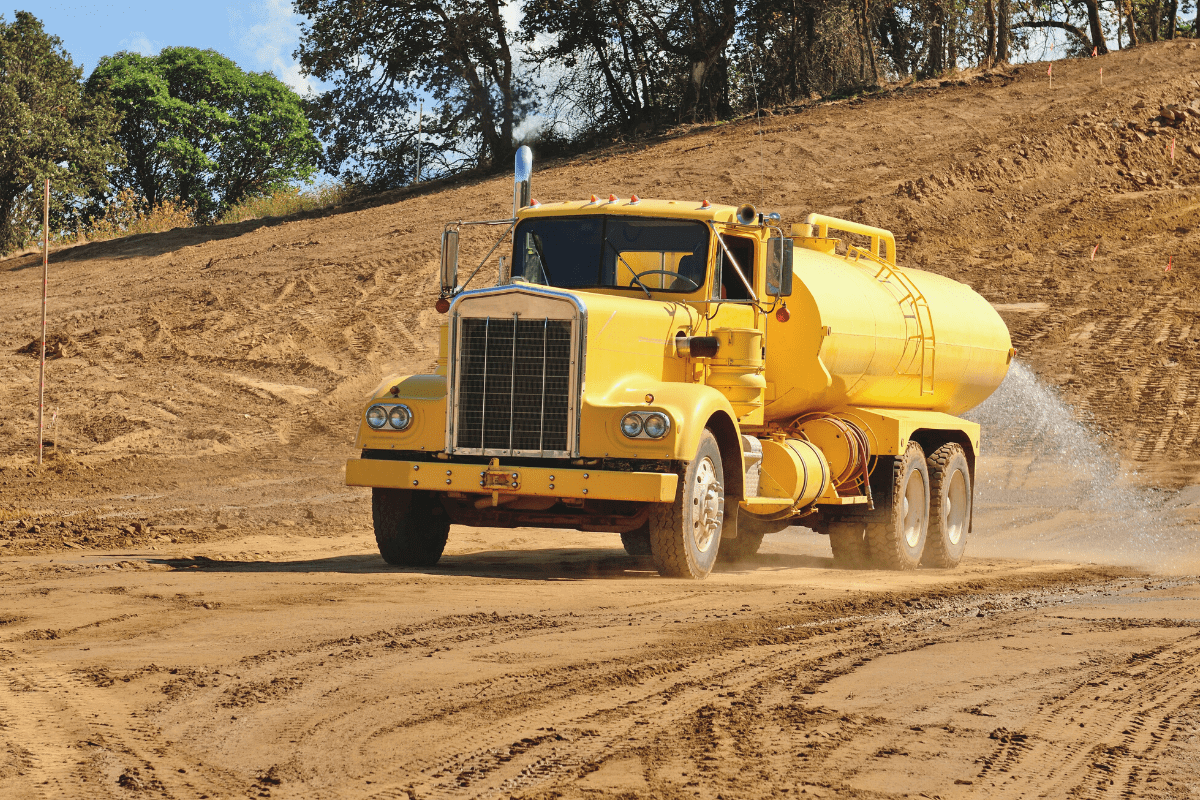
What to Consider When Deciding Whether to Buy or Lease Equipment for Your Rental Business
For a rental business, equipment isn’t something you use—it’s something you sell over and over again.
That changes how leasing and buying should be judged.
The decision isn’t about what’s easier to finance or how it looks on your books. It comes down to a few practical questions:
- Will this item rent often, or only occasionally?
- How long will customers keep asking for it?
- Does it make money every time it goes out, or does it barely cover its costs?
- What happens if demand drops and it sits?
To put it simply: if an item rents consistently, ownership usually pays off. If rentals are unpredictable, flexibility matters more.
What Leasing and Buying Actually Mean for a Rental Business
For rental owners, leasing and buying aren’t abstract financial choices; they shape how your business operates day to day.
Each option changes how quickly you can add inventory, how much cash you tie up, and how much risk you take on if demand shifts.
Here’s how each one plays out in practice.
Leasing: Paying for Speed and Flexibility
In a rental business, leasing means paying to use equipment without owning it outright.
Leasing allows you to add equipment to your lineup quickly and put it into service without a large upfront purchase. The equipment can be rented to customers immediately, but monthly payments continue whether the item is rented often or only occasionally.
Buying: Paying Upfront for Long-Term Margin
In a rental business, buying equipment means owning the asset outright and carrying the full upfront cost.
Once owned, rental revenue is used to recover the purchase price rather than to cover a recurring lease payment. After the equipment has paid for itself, each additional rental contributes more margin to the business.
Ownership also gives rental operators full control over the asset. You decide how long it stays in service, when it’s rotated out, and when it’s sold. In many cases, resale value recovers part of the original investment.
When Do These Differences Matter?
Imagine a rental company considering a specialty lift.
They’re unsure how often customers will request it. Leasing allows them to offer the service, take bookings, and see real demand without tying up a large amount of cash. If it rents only a few times per month, leasing may make sense.
Now compare that to folding tables, skid steers, or core tools that go out multiple times every week. Those items earn revenue fast and predictably. In that case, buying usually makes more sense because the equipment pays for itself and continues generating profit long after a lease would have ended.
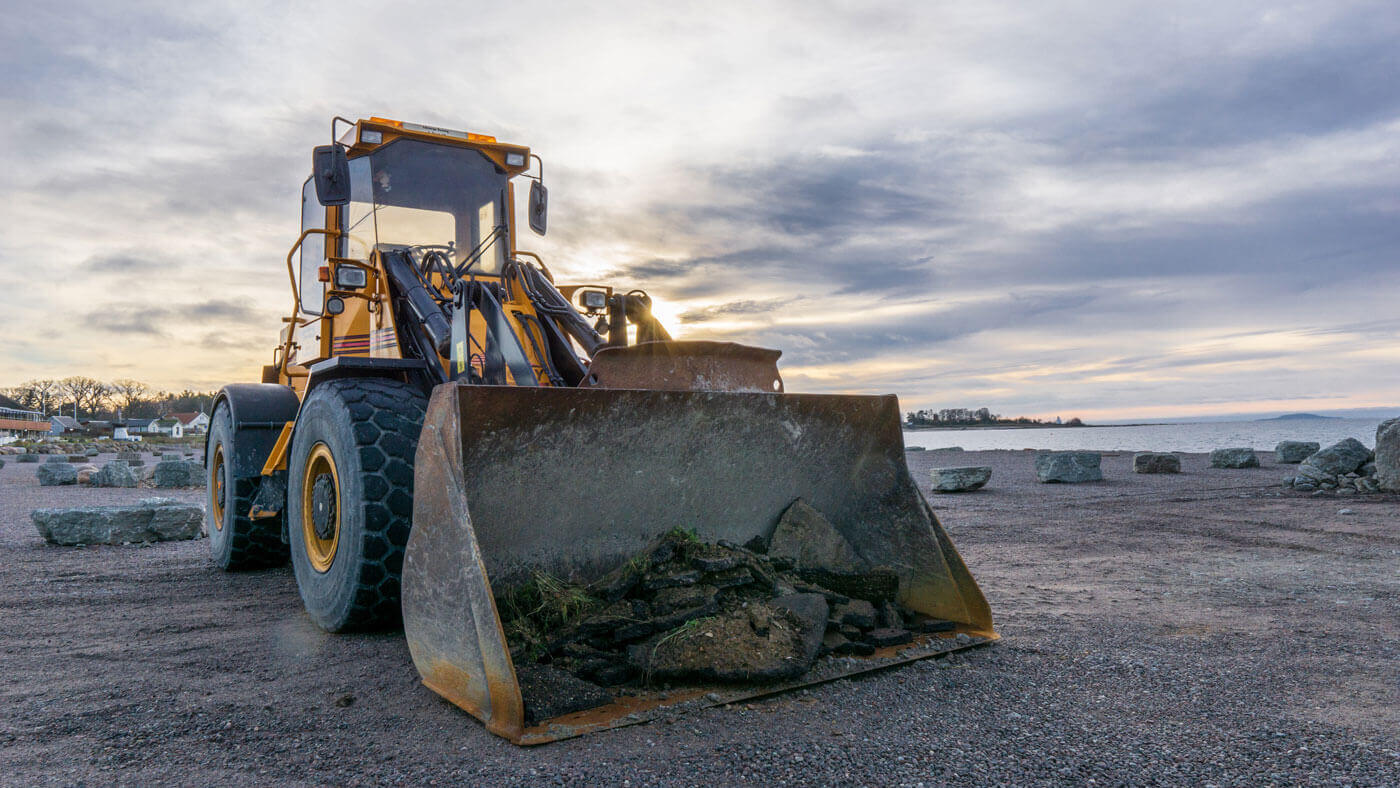
When Leasing Makes Sense for Rental Businesses
For rental owners, leasing is a way to offer equipment before demand is proven, without committing long-term capital to ownership.
Leasing tends to make sense in a few specific situations:
- Testing new or unfamiliar equipment: When you’re adding a new category or specialty item, leasing lets you take real bookings and see actual demand before buying. If rentals are slower than expected, you’re not left owning equipment that sits.
- Handling uneven or seasonal demand: Some equipment rents heavily for short periods and then drops off. Leasing allows you to match inventory to demand without carrying underutilized assets year-round.
- Protecting cash during growth: Early-stage or fast-growing rental businesses often need cash for staffing, vehicles, space, or marketing. Leasing keeps capital available instead of tying it up in inventory too early.
- Reducing exposure to fast-changing equipment: Items tied to technology or trends—such as high-end AV or specialty event gear—can quickly lose relevance. Leasing limits the risk of owning equipment that customers stop requesting.
In these cases, leasing is about limiting downside while learning what the market actually wants.
When Buying Makes Sense for Rental Businesses
Buying makes the most sense when demand is already proven, and the equipment will be used consistently.
For rental owners, ownership tends to win when the risk isn’t whether it will rent—it’s simply how fast it will pay itself off.
Buying is usually the better move in these situations:
- Core items with steady utilization: If an item goes out week after week, owning it typically improves margins because you aren’t making ongoing lease payments once the equipment has earned back its cost.
- Equipment customers request by name: When customers repeatedly ask for the same models or specs, demand is predictable. That’s a strong signal that ownership will stay productive over time.
- Assets you plan to keep in service for years: Long service life is where ownership shines. If you expect to keep the equipment on your fleet for multiple years, buying spreads the cost over a longer earning window.
- When control and uptime matter: Owning gives you more control over maintenance schedules, repairs, fleet standards, and replacements. If downtime directly impacts your reputation or revenue, control matters.
- When resale value is meaningful: Many pieces of equipment have strong resale markets. If you can recover a portion of the purchase price when you rotate equipment out, ownership becomes even more attractive.
Buying isn’t automatically “better.” But when utilization is consistent, buying usually improves margins and builds long-term earning power in the fleet.
Related:
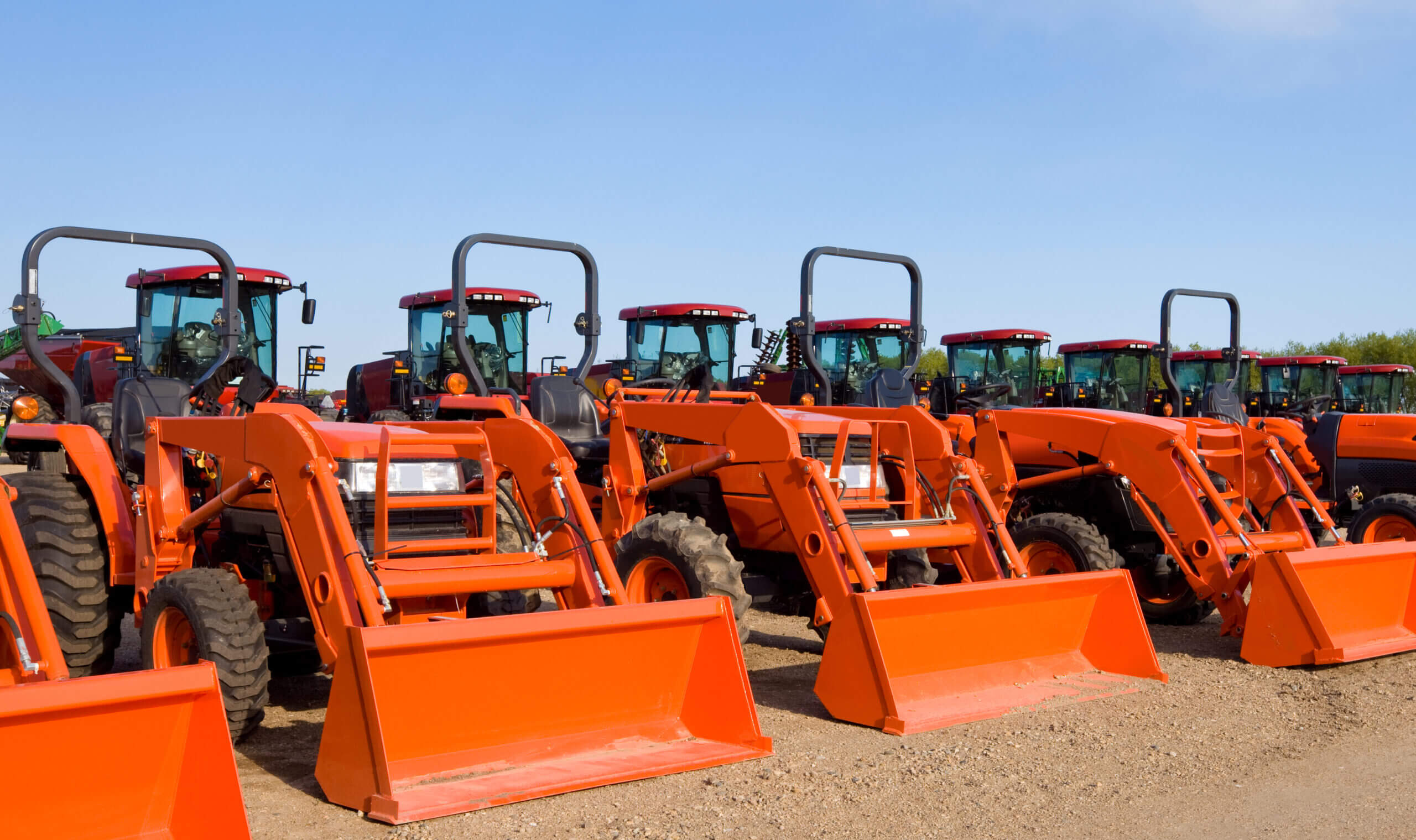
How to Decide Whether to Buy or Lease for YOUR Rental Business
There’s no universal answer to whether leasing or buying is better for a rental business. But there is a clearer way to decide.
For rental owners, the question isn’t which option costs less upfront. Which option produces better results once the equipment is actually being rented?
Instead of focusing on the deal structure, experienced operators look at outcomes:
- How much revenue the equipment generates over its useful life
- How long it takes for rentals to cover the cost
- How much margin each rental produces once early costs are recovered
Those factors matter far more than interest rates or contract terms.
Make Informed Decisions with TapGoods
For rental businesses, the lease-or-buy decision only works when it’s based on real data.
How often an item rents, how long it stays in service, and how much revenue it generates determine whether leasing or buying makes sense. Without that visibility, decisions are based on assumptions instead of performance.
That’s where TapGoods fits in. TapGoods tracks inventory utilization and revenue at the item level, so rental owners can see which equipment earns consistently and which items are better tested or kept flexible.
If you want clearer visibility into utilization, revenue, and inventory performance, scheduling a demo of TapGoods is a good place to start.