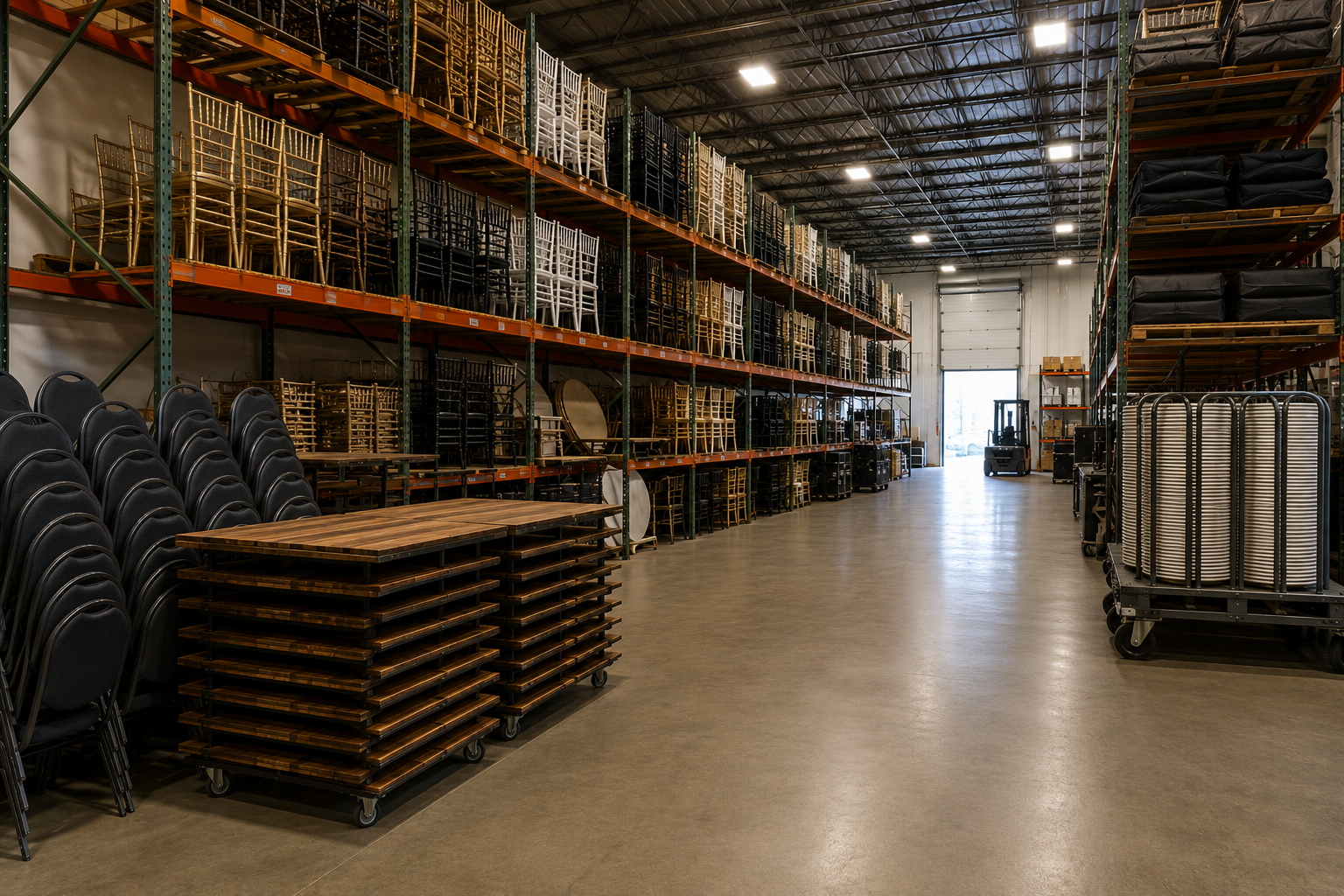
Picture this: you hire someone capable, reliable, and eager to work. On paper, they’re a great fit. But their first few events are rough. And they move more slowly than expected in the warehouse. They miss small but critical setup details. And they seem totally overwhelmed.
In event rental, that experience is common (and frustrating) for everyone involved. More often than not, it’s not a talent issue. It’s a training gap. Event work blends logistics, timing, client service, and physical execution in ways most new hires haven’t experienced before.
In this guide, we’ll explore why employees struggle and how to train party and event rental employees for the realities of event day.
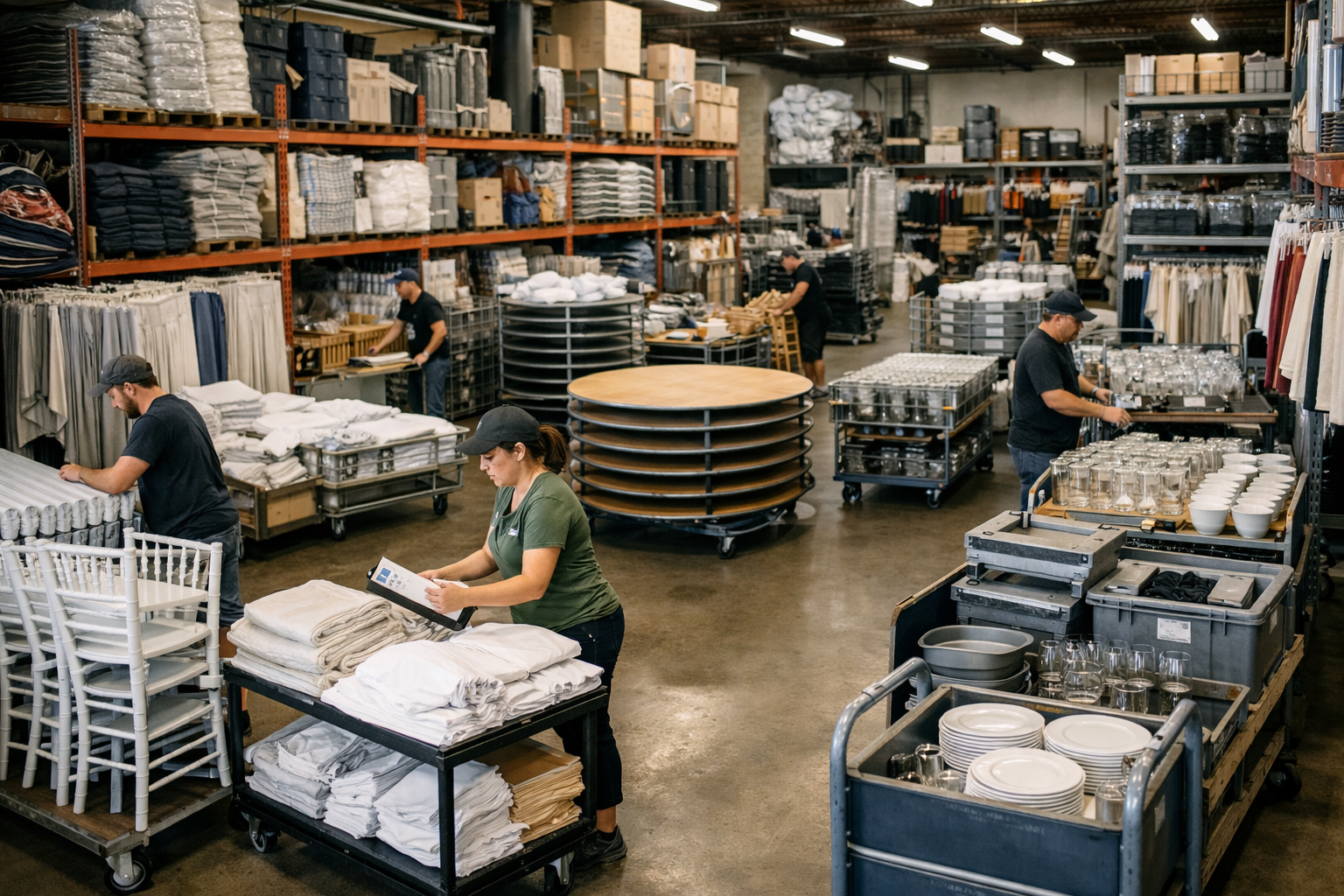
Table of Contents
Why Event Rental Employees Struggle More Than Expected
Event rentals look straightforward on the surface. Tables, tents, linens, delivery, setup. But inside the operation, it’s a layered logistics system running on tight timelines.
New hires aren’t just learning how to carry equipment. They’re learning:
- How warehouse prep connects to delivery routing
- How truck loading impacts setup efficiency
- How small count errors create on-site delays
- How client expectations shift in real time
And they’re often learning all of that during live events.
Unlike many industries, there’s rarely a low-pressure ramp-up period. That means employees are absorbing process, pace, and performance expectations simultaneously during high-stakes event days.
Where Informal Training Often Falls Short
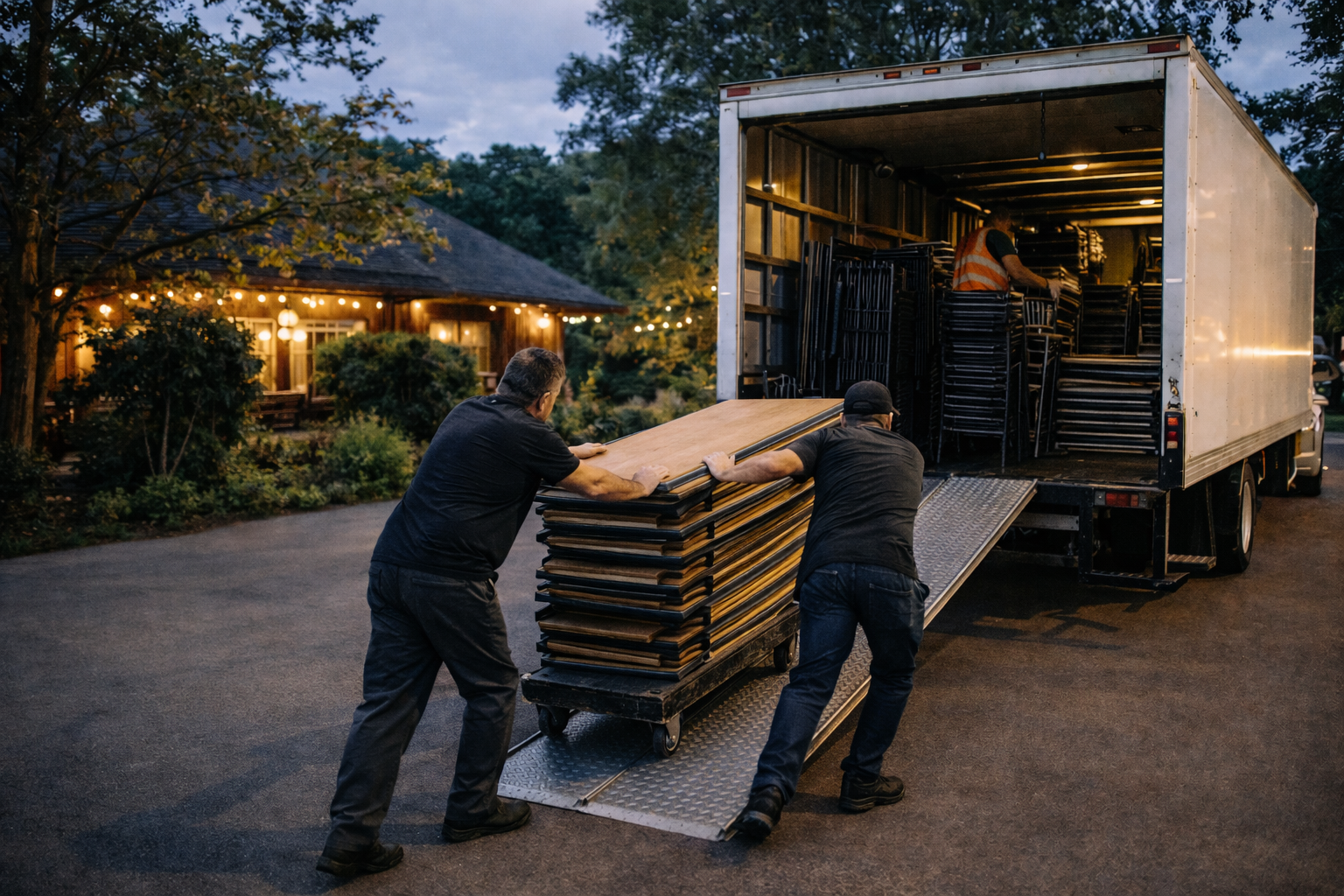
In many rental businesses, training is informal by necessity, and employees are usually expected to pick it up as they go. And often, they do! Eventually.
But informal training can create inconsistency and frustration for you and your team. This can be especially confusing if you have several team members who deliver results but use different processes to do so. It all works! But if your new employee is constantly adjusting to who is on shift, they’re probably going to make more errors along the way.
The Core Areas Every Rental Team Should Be Trained In
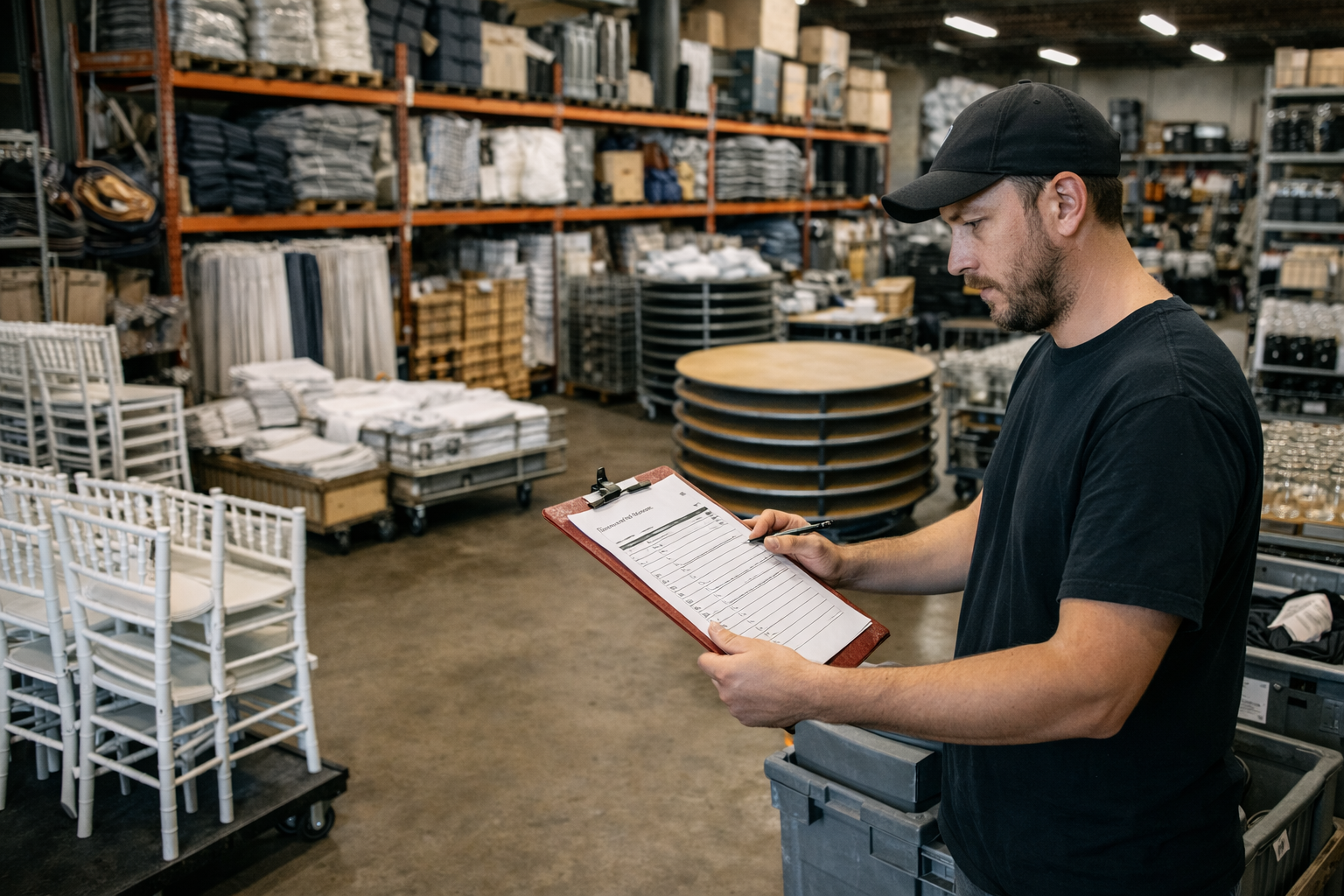
If employees struggle, it’s usually because one of a few core competencies was assumed instead of taught
Warehouse Prep
Warehouse training shouldn’t just cover how to lift or where things are stored. It should walk employees through what a normal shift actually looks like, step by step.
Start with your software.
Show them how to:
- Find what needs to be done for the day
- Open and understand a pull sheet
- Check event notes and special instructions
- Update item statuses or flag issues
If they don’t understand how your system works, they’re guessing before they even touch inventory.
Then train the physical workflow:
- Pull items directly against the digital or printed sheet
- Count carefully, especially small or high-miss items
- Inspect for damage before staging
- Stage each event separately and clearly labeled
- Confirm the order is complete before it moves to loading
Don’t assume they know what “ready” means. Define it.
Warehouse prep sets the tone for everything else. When employees understand both the software and the physical flow, mistakes drop fast.
Truck Loading
Loading a truck isn’t about seeing how much you can cram into 16 feet of box space. This isn’t recreational truck Tetris. And you definitely shouldn’t assume your newest hire is a natural at it — especially not for live events.
New employees will usually load whatever is closest, heaviest, or easiest to grab. That works fine… until you’re on-site unloading half the truck to get to the one item you actually need first.
So instead of correcting mistakes in the parking lot, train the logic behind loading.
Show them:
- What typically comes off the truck first
- What should stay buried until the end
- Where tools and hardware belong so no one is digging mid-install
- How different event types change setup flow
Then explain install sequencing clearly. Tents before tables. Layout before linens. Structure before décor.
When employees understand order, they move with purpose. When they don’t, they improvise… and improvising with a full truck is usually a lot slower.
Event Day Behavior
Warehouse work happens behind the scenes. Event day does not. New hires aren’t just adjusting to physical work, they’re also adjusting to being observed.
Train them on:
- How to greet a client or planner
- When to give a quick status update (“We’ll have this section done in 10 minutes.”)
- When to solve a small issue quietly
- When to stop and call a supervisor
Also talk openly about pressure. Let them know that timelines will tighten, and that the goal is to remain calm and work together to find solutions when problems arise.
Because here’s the reality: a calm, communicative crew builds trust fast. A visibly flustered one makes even small hiccups feel bigger than they are.
Teardown & Returns
When everyone is tired and the event is over, standards tend to slip. That’s exactly why this teardown training needs structure.
Train your team to:
- Count items again before they leave the site
- Separate damaged items immediately instead of tossing them back on the truck
- Note shortages or issues in your software before the day ends
- Stage returns in clearly defined areas back at the warehouse
And just as important: explain why it matters.
If teardown is sloppy, the next morning starts with confusion and missing items. Scrambling to fix problems that could’ve been documented the night before.
Reset discipline protects your inventory, your margins, and your crew’s stress levels.

Your Software Should Make Training Easy
You can train warehouse prep perfectly. You can teach loading logic. You can walk through event-day expectations.
But if your team logs into a system that’s confusing, cluttered, or inconsistent, you’ve just raised the difficulty level again.
New employees should be able to:
- Clearly see what’s going out that day
- Understand pull sheets without decoding them
- Find event notes quickly
- Log damage or shortages without guessing where it goes
- Check delivery schedules without asking a supervisor
If basic information requires three phone calls and a scavenger hunt, even strong employees will get flustered.
When your software reflects how your warehouse and events actually run, training sticks faster. Employees gain confidence more quickly. And fewer decisions rely on memory or verbal instructions.
TapGoods Makes Training Easy
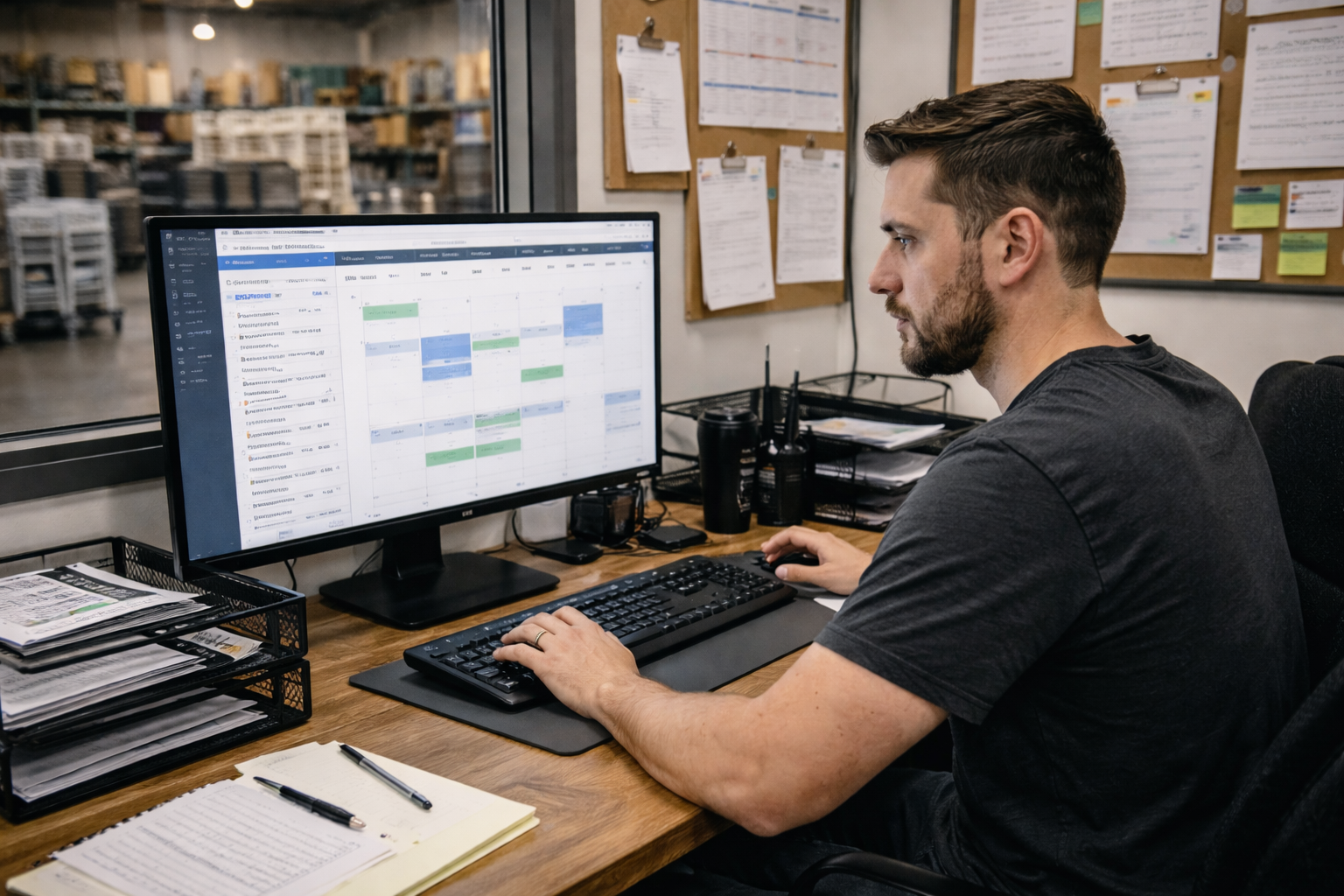
With TapGoods, new hires can quickly learn how to:
- Read and understand pull sheets
- Access event notes and special instructions
- Track delivery schedules
- Log damage and shortages clearly
- See the full picture of what’s going out and coming back
TapGoods has been recognized as an award-winning platform for customer support because of onboarding matters. Our team works directly with rental businesses to make sure their workflows, documentation, and processes are set up correctly from the start.
Because software should reduce chaos, not introduce it.
Give Your Team the Tools They Need to Succeed
Training isn’t just about teaching tasks. It’s about removing friction from the way your team works every day.
If your current systems are making training harder than it needs to be, it may be time to rethink the tools behind your operation.
Schedule a demo with TapGoods to see how the right software — backed by award-winning onboarding and customer support — can make training simpler and event execution smoother.
Frequently Asked Questions
Training event rental employees should focus on real operational workflows, not just equipment handling. New hires need to understand warehouse prep, truck loading logic, event-day expectations, and teardown procedures so they can perform confidently under tight timelines.
Event rental work combines logistics, physical setup, time pressure, and customer interaction. Most new hires have never worked in an environment where all of these factors happen at the same time, which can make the first few events overwhelming without proper training.
New employees should start by learning warehouse prep, including how to read pull sheets, check event notes, inspect inventory, and stage equipment correctly. Understanding the preparation process helps prevent mistakes later during delivery and setup.
Modern rental software helps teams track orders, access event notes, manage inventory, and coordinate deliveries in one system. When workflows are clearly organized, employees can learn faster and operations run more smoothly.