Every party tent comes back from an event needing some care. Sometimes that’s a quick brush-off, and sometimes it’s a full wash after a rainy weekend.
If you’re working out how to clean a party tent and store it between rentals, the steps are simple once you know what vinyl can and can’t take. In this guide, we’ll walk through the turnaround from pickup to shelf, so every top goes out clean, dry, and ready for its next event.
Table of Contents
Sort Returned Tents at Pickup: Photos, Tags, and What Needs Washing
The crew taking a tent down sees things the warehouse won’t until the top comes out for cleaning: which one sat in the rain, which one only caught dust, which one has a tear by a leg pocket. Once those tops are bagged and stacked on a truck, someone has to unroll every one of them to find out. Four steps at pickup save that work:
- Photograph the tent before takedown. Pictures show the warehouse what to wash and what to fix, and they record damage while the client’s site is still there. One tent company started photographing before takedown because the photos help with cleaning and with fixing damage. Our guide to damaged equipment reports covers what to record.
- Tag every bag on the truck as wet, dirty, or damaged. One tent company uses color-coded bags and tags for this.
- Sort the tops back at the warehouse. A top that’s only dusty gets a wipe-down with towels, no cleaner or scrubbing, and can go back out. A top with mud, sap, pollen, or bird droppings gets a full wash. A top with a tear, a failed seam, or broken webbing comes off the shelf for repair.
- Move rained-on tops to the front of the line. Mildew can start within days on a wet top left in its bag, so wet tops get washed or hung before anything else.
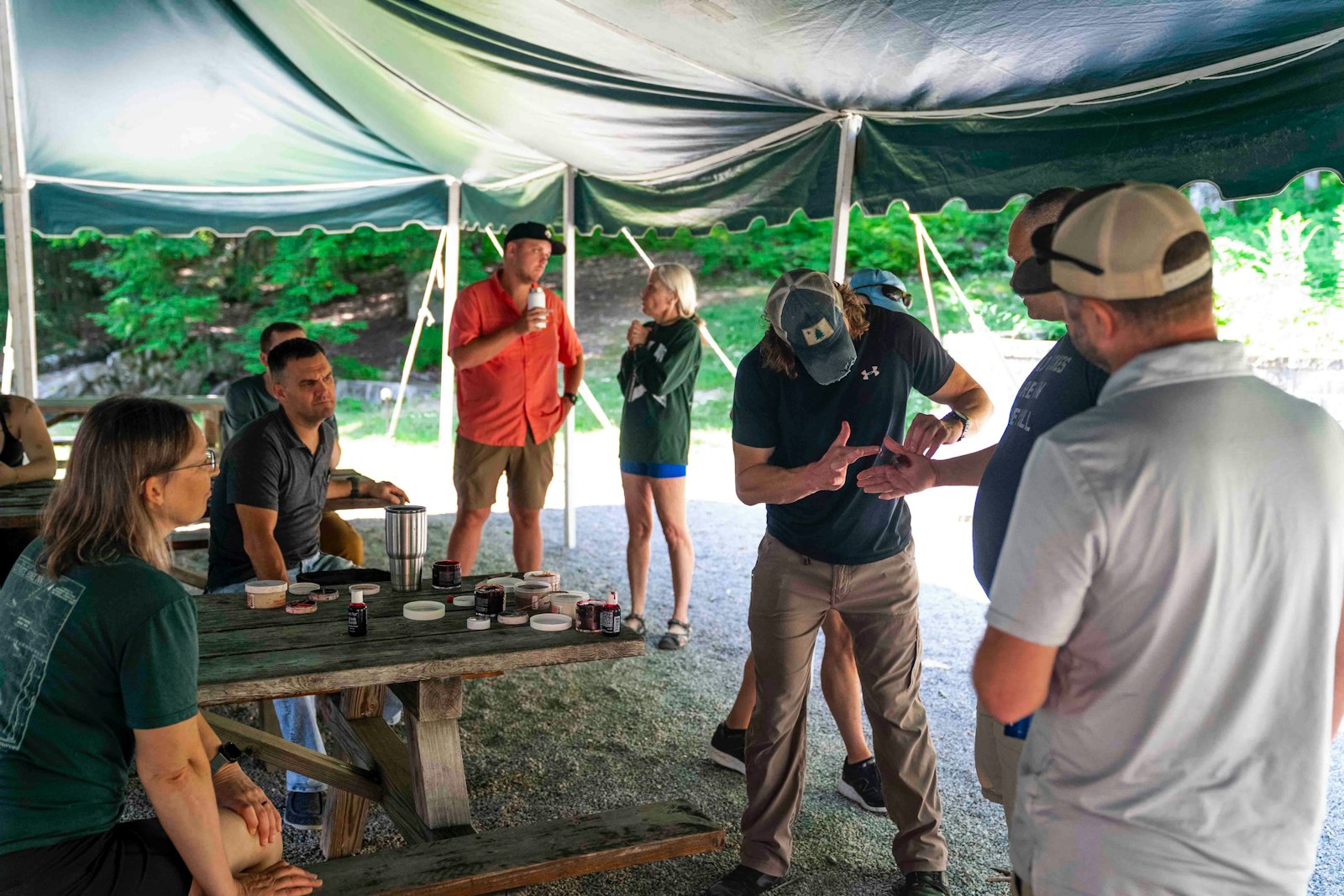
How to Clean a Party Tent Top, Step by Step
A top that needs a full wash should be washed gently and rinsed completely. Rough surfaces and leftover soap both shorten the life of the vinyl.
1. Check the Fabric Maker’s Care Guide
Vinyl coatings and fabrics vary, and the maker’s instructions come first. If they differ from anything below, follow them.
2. Lay the Top on a Clean Tarp
Spread the top on a clean tarp or drop cloth, never straight on concrete or asphalt. Scrubbing vinyl against a rough floor causes micro-tears too small to see, so nobody catches the damage at inspection, and the wear shortens the life of the top.
3. Sweep Off Loose Debris
Use a soft broom to clear leaves, dirt, and dried mud before any water goes on. Wet debris smears and is harder to lift.
4. Spot-Treat Stains First
Treat stains before the full wash. Rust and mineral stains come off with a calcium, lime, and rust remover, and tar, paint, or tape residue with a citrus solvent. Test either one on a corner first.
5. Wash Both Sides
Wash the top and underside with a mild soap or a cleaner made for tent vinyl, in warm water around 95–100°F. Use a soft brush, sponge, or mop.
6. Rinse Until No Suds Remain
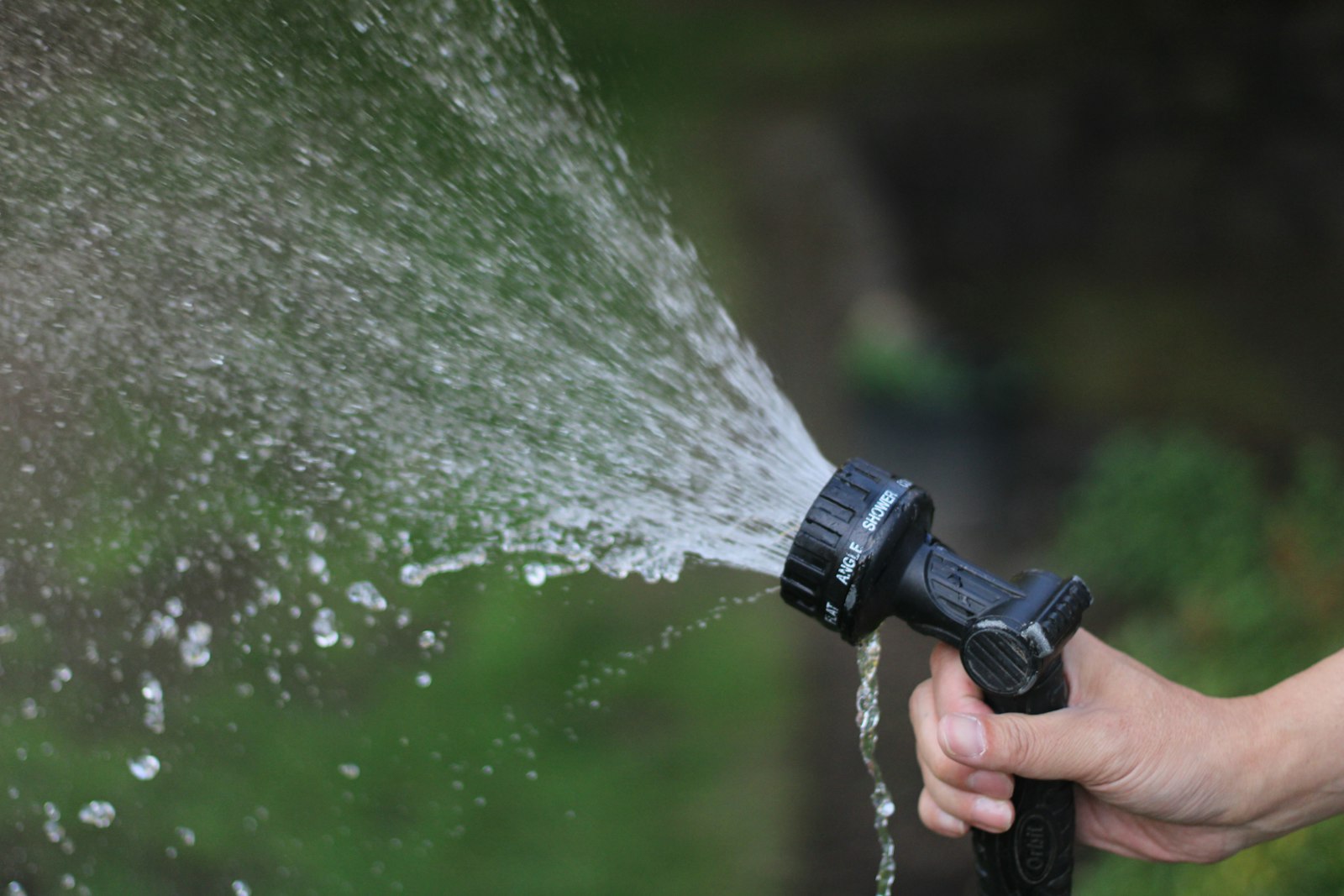
Rinse with a garden hose until the water runs clear and no suds are left anywhere, including seams and corners. Leftover chemicals cause stitch rot and wear the vinyl out early, so a second rinse is worth the time.
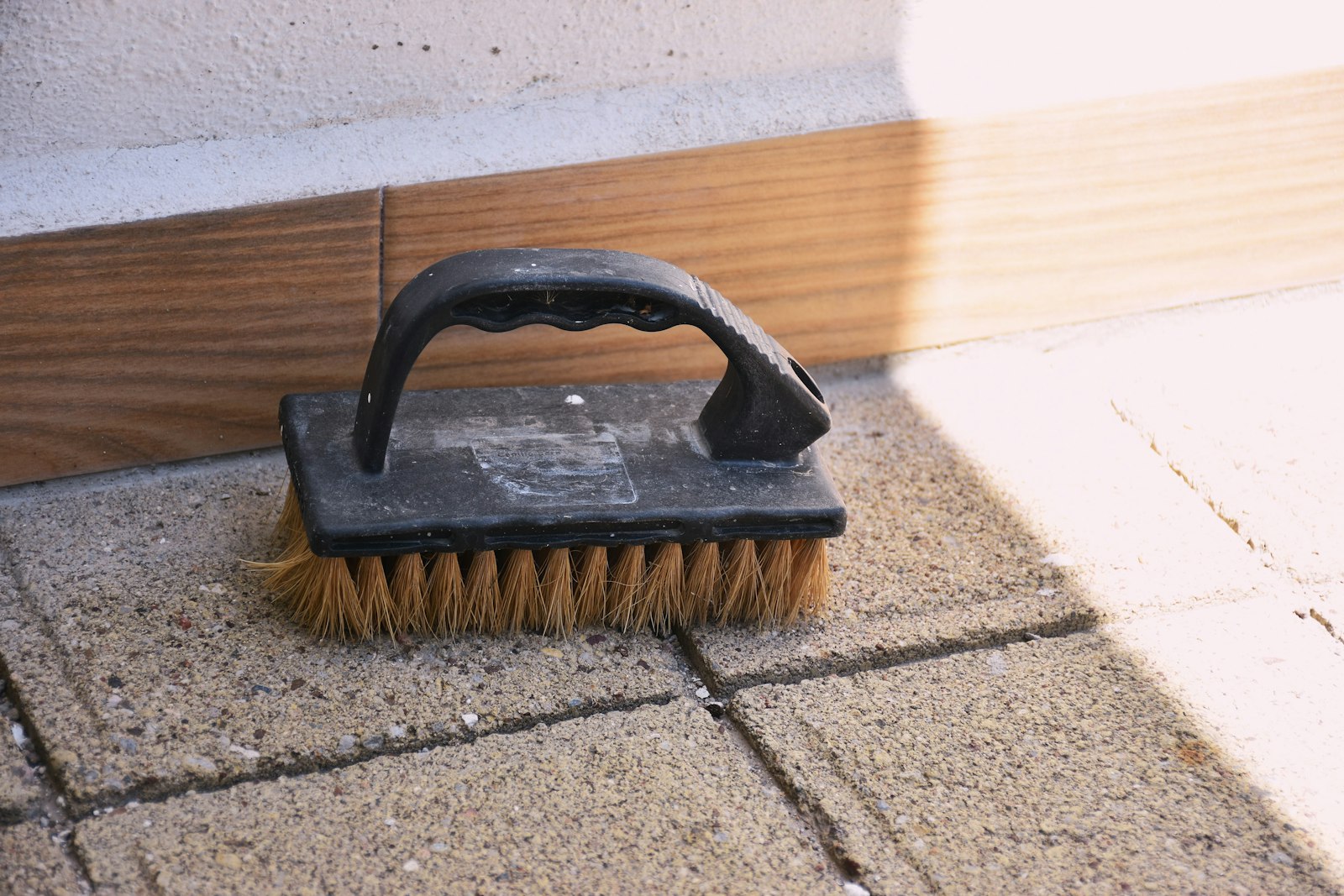
What Not to Use on a Vinyl Tent
These shortcuts damage vinyl or stitching. Keep them off the wash cart:
- Pressure washers. A high-pressure jet can open seams and strip the coating, and tent makers warn against high-pressure washing for tops and sidewalls. A garden hose does the job.
- Bleach for routine cleaning. Bleach pulls plasticizers out of vinyl and leaves it brittle. Save it for mildew, follow the fabric maker’s directions for strength, and rinse it off quickly and completely.
- Abrasive brushes, scouring pads, and melamine “magic” sponges. They scratch and tear the fabric.
- Harsh household cleaners, ammonia, and petroleum solvents. They break down the vinyl and its coating. Citrus solvent for spot stains is the exception, tested on a corner first.
- Fragranced soaps. Buy the unscented version of whatever mild soap you use.
Sun is where the guides disagree most. A few hours of sun to finish drying a top is fine. A top left up in the sun for weeks loses some of its UV resistance, so dry in shade or a ventilated warehouse when you can.
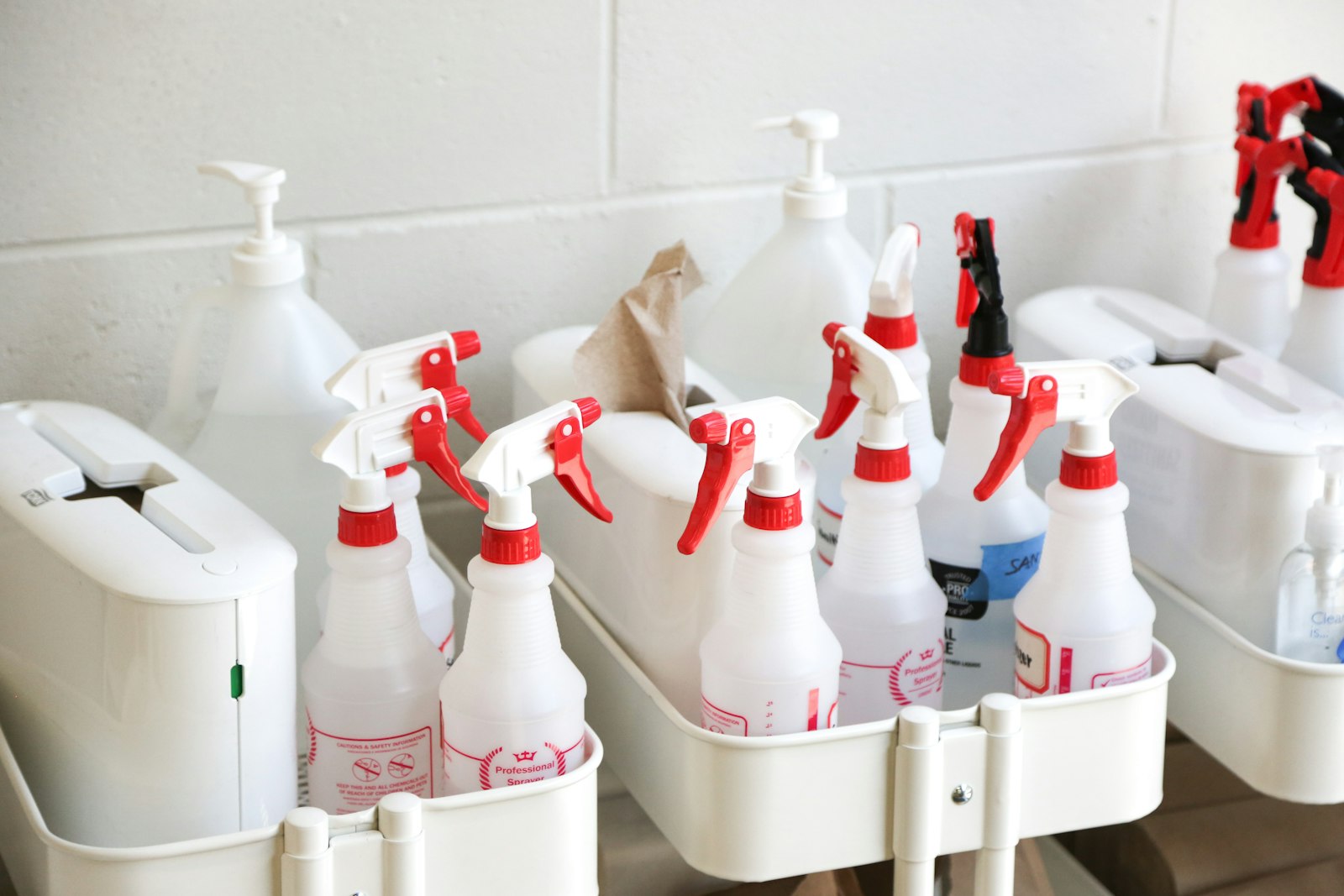
Sidewalls, Frames, Poles, and Stakes
Sidewalls get the same wash as tops: tarp, soft brush, mild soap, full rinse. Clear sidewall panels scratch easily, so handle them with clean hands and soft cloths. A diluted calcium, lime, and rust remover takes the hard-water fog off clear windows.
The metal parts matter because they touch the vinyl. A dirty frame or fitting can mark a clean top the next time it’s set up, and a damp steel part can leave rust.
Wipe down the tubing and fittings that contact the fabric, and make sure poles, ratchets, and ropes are dry before they’re packed. Check ratchet straps for fraying while they’re in hand.

How to Dry a Tent Before You Fold It
A washed top can’t go back out until it’s fully dry. A wash takes hours, but a hand-washed top can hang for days, and some shops skip a tent washer because they don’t have room for tents hanging to dry for days.
A dry top means dry everywhere: seams, webbing, leg pockets, and the folds around them, as well as the surface. Press a dry towel into the seams. If it comes up damp, the top isn’t ready to fold.
How you dry depends on volume. Tent fabric makers lay out three setups:
- Lower volume: dry the top fully set up on its frame at the jobsite, if the weather and schedule allow.
- Middle volume: hang tops from a pulley or trolley system in a drying room, mop off standing water with cotton towels, and run fans and dehumidifiers to keep the air moving and dry.
- High volume: use a tumbler dryer built for tent vinyl or a flat-panel dryer that dries flat pieces at low heat.
If you dry on racks or a pulley system, the number of hanging spots you have is the number of tops you can turn on a busy weekend.
A top that came down in the rain can ride home wet in its bag. Unroll it and start drying the same day or the next. One company left a large top bagged and damp during its busy season, and it came out with some mold and a lot of mildew at only two years old.
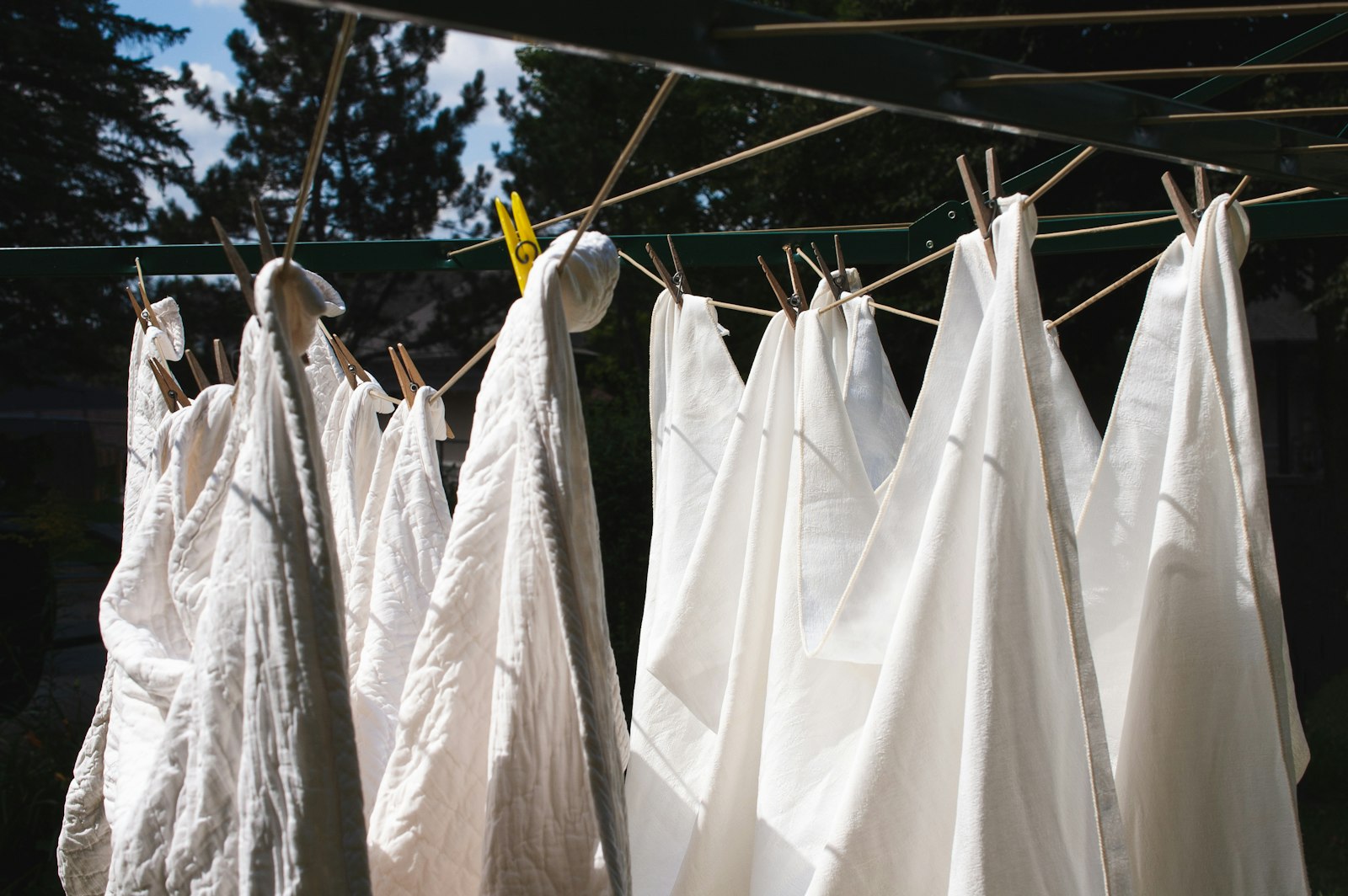
How to Store a Party Tent Between Rentals
Between rentals, storage has one job: a clean, dry top that the crew can find and pull complete for the next order. Store each top this way:
- Fold in panels, then roll. Folding the top into long panels and rolling it avoids the sharp creases that stress seams and scratch clear vinyl. Fold on a clean tarp, not the warehouse floor.
- Bag it and label it. Mark the bag with the tent size, the item name your crew uses on orders, and its condition, so the person pulling the order doesn’t have to unroll it to check.
- Keep bags off concrete. Concrete pulls moisture up from the ground, so store bags on pallets or racks in a cool, dry, ventilated spot.
- Keep each top with its parts. Store sidewalls, poles, and fittings with or next to the top they belong to, so one pull gets everything.
End-of-season storage is a bigger job, with its own checks before tops sit for months. Our post on making this slow season your last slow season covers the rest of the slow-season work.

Hand Wash, Buy a Tent Washer, or Send It Out?
How you wash is an owner’s call, and it depends on fleet size, floor space, and drying space. A washer speeds up washing, but tops still need room to dry.
- Hand washing fits a smaller fleet and needs no new equipment. It also puts the crew close enough to the vinyl to catch small tears and failing stitching.
- A tent washer saves labor, and machine makers suggest sizing one to turn dirty tops into rental-ready ones within 24 to 48 hours at your busiest time of year. It needs floor space for loading and unloading, plus water and power. It also cleans stitching and webbing that are hard to reach by hand.
- An outside tent-washing service can take overflow in a busy stretch without the shop buying a machine. Ask how they dry and how fast they turn tops around.
Whichever you choose, measure your drying space before you buy. If a washer cleans more tops in a day than you have room to dry, the extra tops sit wet and wait, unless the machine dries them too.
Keep Wet or Dirty Tents Off the Booking Calendar
A top still hanging on the drying rack shouldn’t show as available for Saturday. If its status lives on a whiteboard in the warehouse, the person quoting next weekend’s wedding can’t see it, so the status has to live where orders get booked.
Good rental software handles this through maintenance. From the item’s page, someone moves a wet or unwashed top into maintenance with a note like “drying,” and it drops out of available inventory. A top marked Damaged at check-in lands in maintenance too, as an open maintenance order. Either way it stays unavailable until someone returns it to inventory.
Our post on warehouse management processes covers setting up a cleaning zone and status-based check-in.

How TapGoods PRO Tracks Tent Cleaning and Maintenance
TapGoods PRO builds tent status into the steps your crew already takes, from check-in to the next booking, so nobody has to remember which top is still on the rack.
- Flag damage at check-in. When a tent comes back, your team checks it in from the order’s Picklist tab. If a top or sidewall came back torn, they enter the damaged quantity and a note, and it goes straight to maintenance.
- Bill the damage to the right customer. In that same step, you can add a damaged or missing fee to the order, so the repair is charged to the event that caused it.
- Keep drying tops off the calendar. Anything in maintenance comes out of available inventory, so a top still on the drying rack can’t be quoted for next weekend. Once it’s clean and folded, you release it back to inventory and it’s bookable again.
- Schedule recurring inspections. For serialized tents, Scheduled Maintenance sets recurring intervals or usage thresholds and sends maintenance ticket notifications, so each top gets its deep clean or seam check on schedule instead of whenever someone notices.
- See which tents and customers cost you the most. The Missing/Damaged Inventory report ranks damaged units in maintenance, what you’ve spent on repairs, and which contacts return the most damaged inventory.

Keep Every Party Tent Clean, Dry, and Ready to Rent
A tent is only ready to rent when it’s clean, fully dry, and marked available in your system, so nobody quotes a top that’s still on the drying rack.
TapGoods PRO handles that last part. Wet, dirty, or damaged tops go into maintenance and stay off the booking calendar until you release them, and damage can be billed to the event that caused it. Schedule a demo to see it in your warehouse.
Frequently Asked Questions
Only long enough to get it back to the warehouse. Unroll a wet top and start drying it the same day or the next, and check seams, webbing, and pockets before you fold it. A top stored with any moisture left in it can grow mildew and mold, which takes extra cleaning and shortens the fabric’s life.
It depends on use, fabric, and weather. One tent company averages two to three washes a year per top, because every wash wears the fabric. Another gets four to five short rentals between washes, spot-cleaning and wiping down dusty tops in between.
No. A high-pressure jet can open seams and strip the coating on tops and sidewalls. Use a garden hose to wet and rinse, and a soft brush or mop to scrub. Spot-treat stubborn stains before the wash instead of turning up the pressure.
Not for routine cleaning. Bleach pulls plasticizers out of vinyl and leaves it brittle. For mildew, follow your fabric maker’s directions for strength, get it on and off quickly, and rinse until nothing is left, because leftover bleach rots the stitching.
Both. Fold the top into long panels first, then roll it from one end. Rolling avoids the sharp creases that stress seams and scratch clear vinyl, and it makes a tighter bundle for the bag. Fold on a clean tarp, never a bare warehouse floor, so the clean vinyl stays clean.