Wondering how to start a rental business, and whether it’s worth it? Starting a rental business comes down to four things: choose how it runs; price inventory, insurance, and a vehicle; get insured and set up your rental agreement before the first order; then get booked. This guide is for businesses that rent physical items (party, event, tent, tool, and equipment), not real estate or renting out your car or camera on a peer-to-peer app.
Below: the three ways rental businesses run, what each costs, the first steps in order, and the guide for your rental type.
Table of Contents
Choose Your Rental Business by How It Runs
The first of those four things shapes the rest: how the business runs day to day. Rental businesses tend to run one of three ways, and that model decides your first big purchases more than the item does. Two companies renting the same tables can need completely different things to open.
Delivery and setup. Party, event, tent, table and chair, bounce house, and restroom trailer businesses mostly run this way. The day is load, drive, set, and come back to pick up, so you need a truck or trailer, help for heavy setups like tents, and a plan for the Saturday when several orders land on the same morning. If you’re working out how to start a rental business for events, this is your model, and our guide to starting a party or event rental business walks through it step by step.
Counter pickup and return. Tool and equipment rental, and many trailer businesses, run from a counter or yard. The day is check-out, check-in, inspect, and service, with rentals that often come in on short notice, bill by the day, week, or month, and get extended mid-rental. You need a pickup location with set hours, time to service equipment between rentals, and a deposit policy. Our guide to starting an equipment rental business covers costs, financing, and the first fleet.
Drop-and-haul. Dumpster, generator, and some trailer businesses own fewer, heavier assets that stay out longer. You need a vehicle that can move them, a way to check site access before you drop, and fees beyond the base rate. Permits can apply when a unit sits on a street or other public property, so check with your city.
Here’s how common rental types line up, with what it typically takes to start and where to read next.
| Rental type | Model | Typical first inventory | Startup range | Busy season | Guide |
|---|---|---|---|---|---|
| Party | Delivery + setup | Tables, chairs, a few inflatables or linens | $5,000–$10,000 small; $50,000+ with tents, stages, and decor | Through about Thanksgiving; slow Dec–Feb | Party rental guide |
| Table and chair | Delivery + setup | Standard tables and chairs | Varies | Same as party | Table and chair guide |
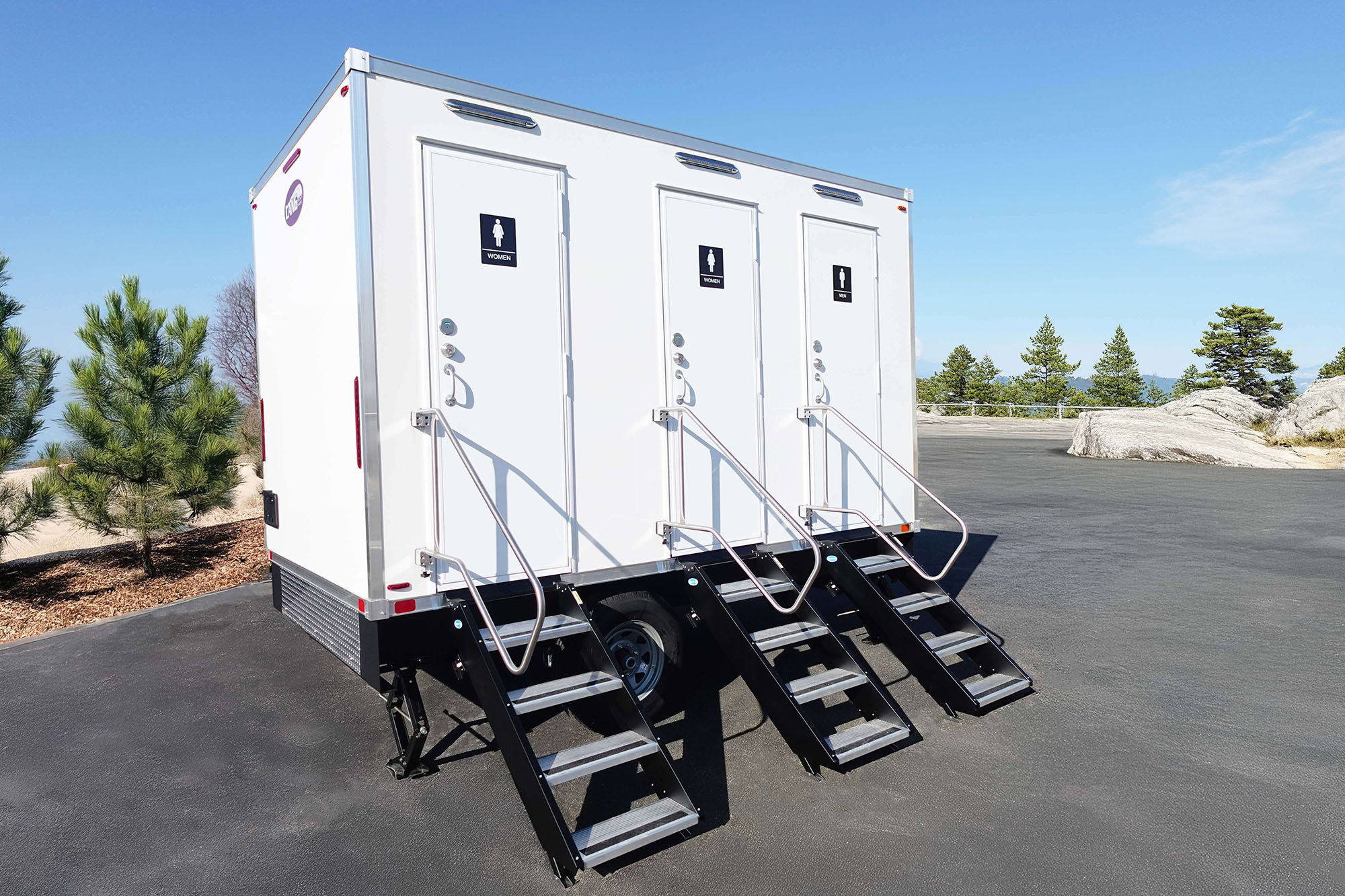
| Restroom trailer | Delivery + setup | One trailer | $50,000–$70,000 all-in | Varies | Restroom trailer guide |
| Bounce house | Delivery + setup | A few inflatables | $10,000–$30,000 (typical range, our ideas guide) | Same as party | Rental business ideas |
| Tool and equipment | Counter pickup | Drills, saws, ladders, or mowers and pressure washers | $15,000–$50,000 (typical range, our ideas guide) | Varies by region and trade | Equipment rental guide |
| Trailer | Counter pickup (some drop-off) | One or two trailers | Varies | Varies | Guide coming soon |
| Dumpster | Drop-and-haul | A few containers and a truck to move them | Varies | Varies | Guide coming soon |
| Generator | Drop-and-haul | A few units | Varies | Varies | Guide coming soon |
The ranges come from our own guides. Where we don’t have a figure, the table says “varies,” because the vehicle and the size of your first inventory swing the total more than anything else. Pick the row closest to what you want to rent and read that guide next; the rest of this page covers what every model has in common.
Still choosing what to rent? See our 10 rental business ideas.
How Much Does It Cost to Start a Rental Business?
Those ranges are mostly inventory. The same first budget also pays for everything that gets that inventory to a customer, and your model decides how big that part is.
Plan for these lines in your first year:
- First inventory: items that rent together, so one order can be filled from your own shelf.
- A vehicle or trailer: the biggest extra for delivery and drop-and-haul businesses.
- Insurance: general liability for every model, plus commercial auto if you deliver.
- Storage you can load from: a garage can work early if the truck can back up to it.
- A website, and a way to take bookings and payments.
- Rental software, once a calendar stops keeping up.
- Marketing: a business listing, some ads, and time meeting venues or contractors.
Price that whole first year, then see how much is left for inventory. The party guide breaks startup costs into three tiers, and the equipment guide prices a first fleet and covers how to finance it. Before you buy, run your numbers through our event rental ROI calculator or the equipment ROI calculator.
How to Start a Rental Business: Step-by-Step
Once you know your model and roughly what it costs, the setup follows a set order. Insurance and a signed agreement come before your first order because they help you win it: venues and job sites often ask for proof of general liability before you can set up, and a deposit is what holds a date for one customer instead of the next one who calls.
Work through these five steps in order:
- Pick your model and market. Find out who books more than once in your area, like planners and venues for party rentals or contractor accounts for tools, because repeat customers come back without new marketing.
- Register the business and open a separate bank account. Get the licenses and permits your state and city require, and keep business money apart from day one so your books show what the rentals actually earn.
- Get insured, then write your rental agreement. Ask an agent about general liability, inland marine (coverage for your inventory in storage, in transit, and set up on site), and commercial auto if you deliver, and have a certificate of insurance (a one-page proof of coverage) ready for venues. Then have every customer sign an agreement before the order is confirmed; our guide to party rental insurance and free rental agreement template cover both.
- Buy inventory that rents together, and price the work. Start with items that complete an order, buy used where condition allows, and put delivery, setup, and a damage waiver on their own lines. Take a deposit to hold the date; our guide to pricing rental items walks through it.
- Get booked. Set up a website customers can request quotes from and a Google Business Profile, the free listing that puts you in Google Search and Maps. Repeat work comes from relationships: venues and planners for party rentals, contractors for tools and equipment.
Each guide in the table above walks through these steps for its rental type, with the detail this page skips. Rental software can hold an order until the agreement is signed and the deposit is paid, so those two steps happen on every order without chasing.
Disclaimer: this is general guidance, not legal, tax, or insurance advice. Check your state and city rules, and talk with an insurance agent and an accountant before you open.

Conclusion: Pick the Model, Then Read Your Guide
The fastest start is to decide how your business will run and let that decide what you buy, insure, and charge. Find your rental type in the table above and open its guide next.
When you’re ready to move off the calendar and the text threads, TapGoods PRO serves both party & event and tool & equipment rental in one system. Availability, signed agreements, deposits, and an online shop live in one place, and the Customer Portal is free with every TapGoods PRO plan. Schedule a demo with TapGoods.
Frequently Asked Questions
Start with how you want the business to run, then what you can store and move. Delivery and setup suits party and event rentals, counter pickup suits tools and equipment, and drop-and-haul suits dumpsters and generators. Find your row in the table above, or browse our rental business ideas if you haven’t chosen yet.
It depends on the model. Our guides put a small party rental start at $5,000–$10,000 and one restroom trailer at $50,000–$70,000 all-in, and our ideas guide gives typical ranges of $10,000–$30,000 for inflatables and $15,000–$50,000 for tools. A vehicle, insurance, and storage come on top of inventory.
Not at first for most delivery and drop-and-haul businesses. You need storage you can load a vehicle from, and a garage or small unit can work early on. Counter pickup businesses are different: customers come to you, so you need a pickup location with set hours from day one.
Usually when availability, contracts, and payments outgrow a calendar and a thread of texts. The first problem it solves is double-booking: it shows what’s out on each date before you confirm. Then it won’t confirm the reservation until the agreement is signed and the deposit is paid.