The best web design agency for a rental business is one that understands booking workflows, date-based availability, inventory management, and software integration. Look for agencies that design around conversions, integrate seamlessly with your rental management system, optimize for SEO, and provide ongoing performance support.
Your website isn’t just a marketing asset — it’s your most important booking channel. For rental businesses, a high-performing website must:
- Showcase inventory clearly
- Display availability accurately
- Guide customers through a seamless booking process
- Integrate directly with your rental management system
Choosing the right web design agency can determine whether your site simply looks good — or consistently drives revenue.
Here’s how to choose the right partner.
Table of Contents
1. Look for Industry Understanding, Not Just Design Talent
Rental businesses operate differently from standard retail or service companies. Your agency needs to understand:
- Inventory doesn’t just leave. It comes back.
- Availability is based on dates.
- Tracking quantities is imperative.
- Delivery and pickup logistics is part of the availability equation.
- Inventory often comes in bundled packages.
- Deposits and staged payments are common.
Ask potential partners:
- Have you worked with equipment rental businesses before?
- How do you approach inventory-based booking systems?
- How do you design around availability-driven conversions?
Agencies familiar with service-oriented and rental-based businesses often build with these needs in mind.
Here are two we’ve worked with before:
- Twelve Legs Marketing has experience helping service-focused businesses improve UX, SEO, and overall website performance.
- Mission Bay Media, a web design and development agency, focuses on custom-tailored solutions and conversion-driven design for rental businesses.
Whether you work with one of these teams or another provider, industry awareness should be a top priority.

2. Prioritize Booking Experience Over Visual Trends
A modern website means nothing if customers can’t book easily. Your agency should focus on:
- Clear calls to action
- Mobile-first design
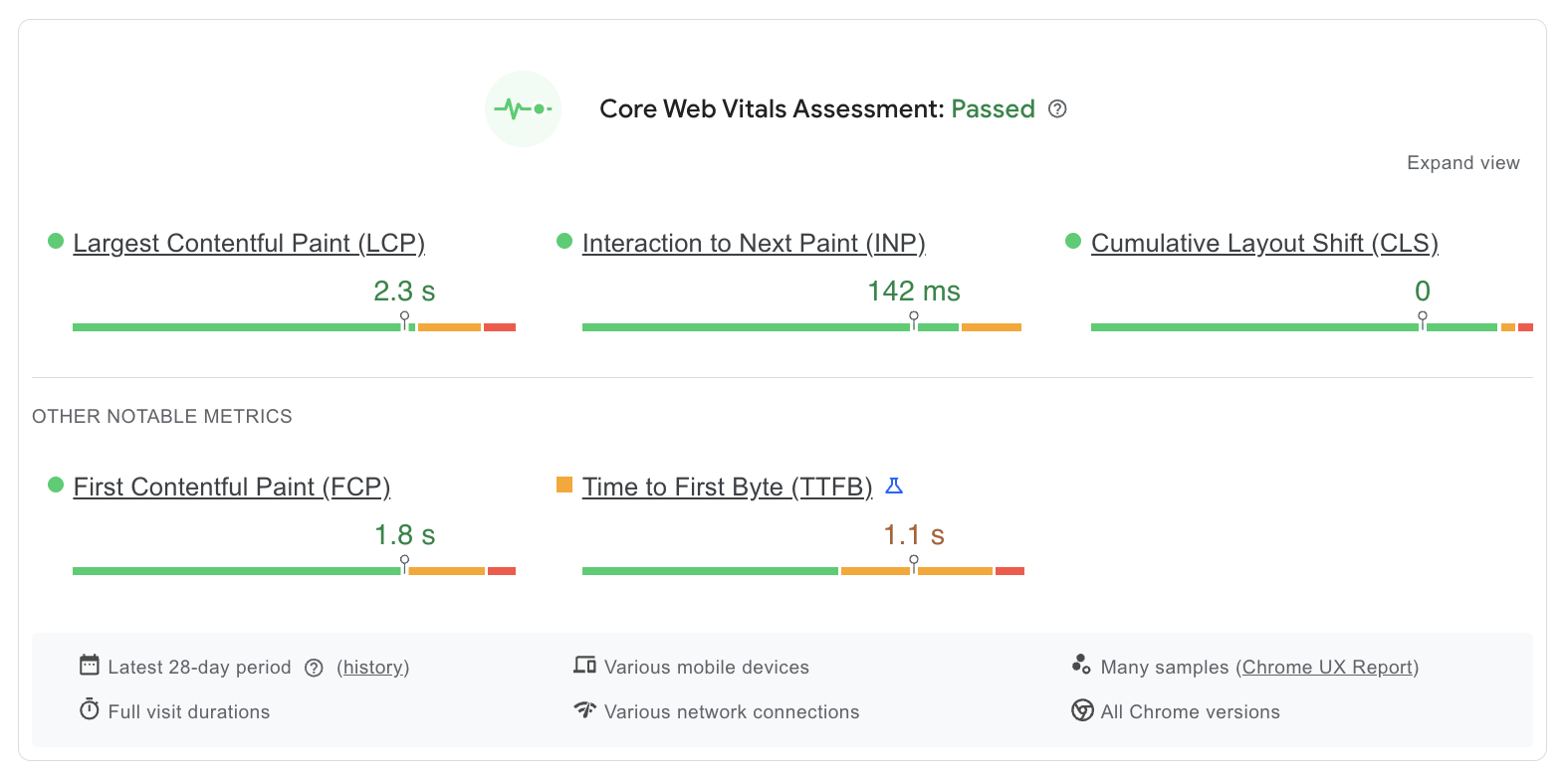
- Fast page load speeds
- Streamlined navigation
- Simplified checkout flows
Rental customers want clarity. If booking takes too many steps or availability is confusing, they’ll leave. Design should support conversion, not distract from it. For a detailed breakdown of layout, mobile optimization, and booking-focused design principles, see our full guide to Best Practices in Web Design for Rental Businesses.
3. Ensure Seamless Rental Software Integration
This is where many web projects fail. Your website must connect directly to your rental management system so you can manage everything in one platform. The last thing you want is to try to keep inventory in sync across disconnected systems.
Your rental software should integrate with:
- Online booking functionality
- Rental inventory management tools
- Real-time availability
- Secure payment processing that fits event rentals or tool & equipment rentals
For WordPress websites, the TapGoods WordPress Plugin allows you to embed your TapGoods Pro inventory and checkout experience directly into your branded site. This creates:
- A cohesive customer journey
- Consistent branding
- Better conversion rates
- Operational efficiency behind the scenes
Ask agencies:
- Have you integrated booking software into WordPress?
- How do you maintain site speed with embedded eCommerce tools?
- How do you ensure availability stays accurate?
If they can’t clearly explain their integration process, that’s a red flag.

4. Make Sure Search Engine Optimization (SEO) Is Built Into the Foundation
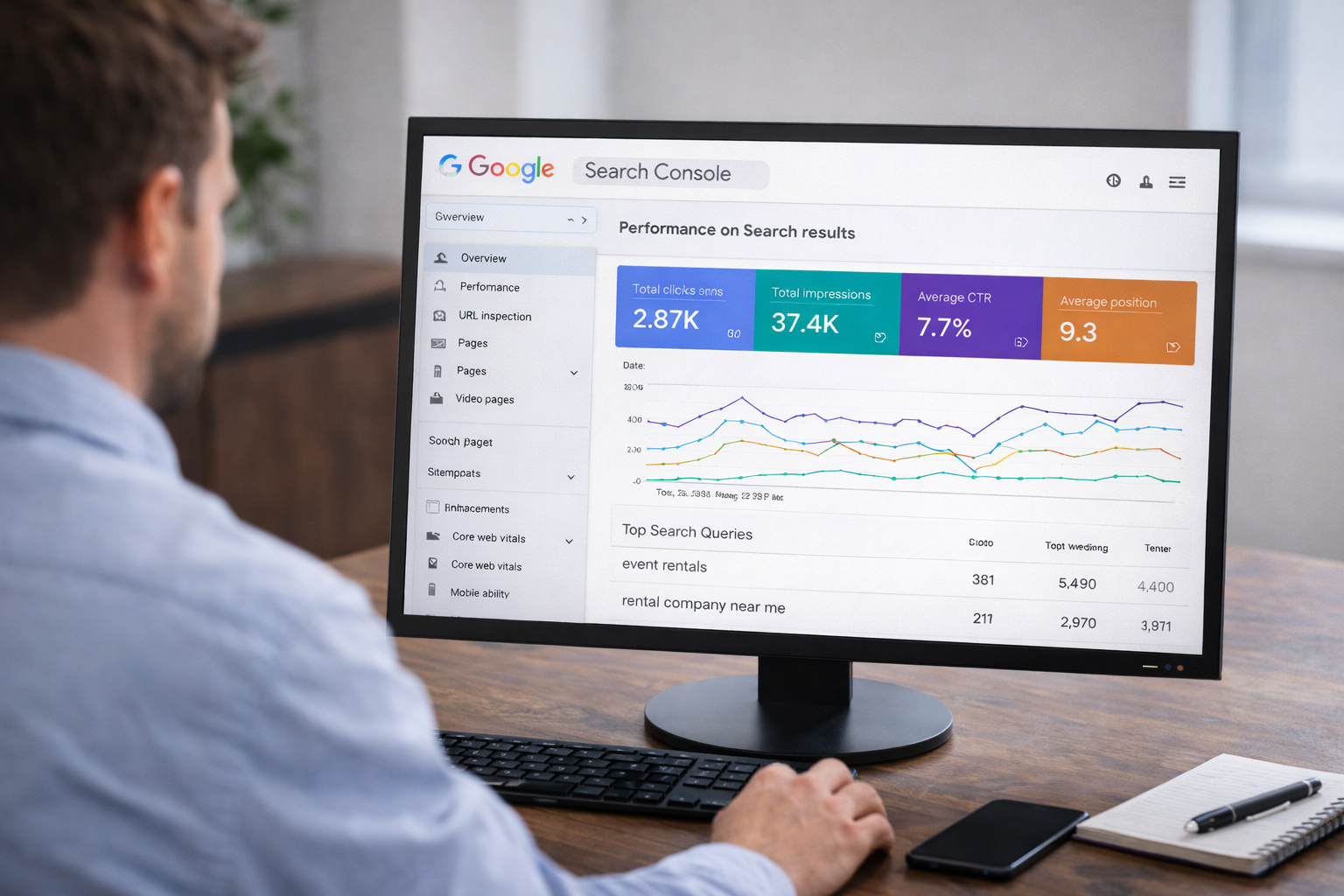
Your website won’t drive bookings if no one finds it. A qualified agency should understand:
- Rental-specific keyword targeting
- Local Search Engine Optimization
- Product and category page structure
- Technical SEO best practices
- Schema markup implementation
Ask for examples of:
- Rental or service-based sites they’ve helped grow
- Keyword strategy documentation
- Performance reporting after launch
SEO shouldn’t be an afterthought — it should influence site architecture from day one. Learn more about Search Engine Optimization here.
5. Ask About Conversion Rate Optimization (CRO)
Traffic alone doesn’t equal revenue. Strong agencies discuss:
- Conversion rate optimization
- A/B testing
- Heatmap tracking
- Analytics setup
- Ongoing improvements
Your website should evolve based on data. Design isn’t “done” at launch; it improves over time.

6. Evaluate Long-Term Support & Scalability
Rental businesses grow and change. You may:
- Add new inventory categories
- Expand service areas
- Introduce packages or upsells
- Open additional locations
Ask:
- What happens after launch?
- Do you provide maintenance?
- Can the website scale as we grow?
- How easy is it for our team to update content?
A WordPress-based site paired with integrated tools like the TapGoods WordPress Plugin can provide flexibility while maintaining operational control.

7. Understand Their Process Before You Commit
Before signing a contract, ask about:
- Discovery and planning
- Timeline expectations
- Revision cycles
- Content creation responsibilities
- Integration testing process
Clear communication prevents delays and budget surprises.
Quick Checklist: How to Choose a Web Design Agency for a Rental Business
When evaluating agencies, make sure they:
- Understand rental operations and booking workflows
- Prioritize conversion-focused design
- Integrate seamlessly with your booking software
- Build SEO into the site structure
- Implement analytics and conversion tracking
- Offer post-launch support and scalability
If an agency can’t confidently address these six areas, they may not be the right fit.
Other red flags to watch for:
- Focuses only on aesthetics
- Doesn’t ask about booking workflows
- Avoids integration discussions
- Has no SEO strategy
- Doesn’t discuss post-launch support
Rental websites are operational tools, not just marketing brochures. The most successful rental websites combine:
- Strategic design
- Rental industry awareness
- Seamless booking integration
- SEO optimization
- Ongoing data-driven improvements
When your web agency understands how to integrate with a powerful rental management system like TapGoods, your website becomes a true revenue engine from first click to final payment. Take the time to evaluate carefully. The right decision will impact your revenue, efficiency, and customer experience for years to come.
What Makes a Great Rental Web Design Agency?
| Feature | Why It Matters |
|---|---|
| Rental Industry Experience | Ensures proper booking flow and inventory structure |
| Booking Software Integration | Prevents availability errors and improves conversions |
| SEO Strategy | Helps your website rank for rental-related searches |
| Conversion Optimization | Turns traffic into booked orders |
| Ongoing Support | Keeps the site optimized as your business grows |
Ready to Get Started?
If you’re still refining your strategy, start with our foundational guide to rental website design best practices before selecting an agency.
Explore how TapGoods Pro helps rental businesses power seamless online booking, inventory management, and WordPress integrations all in one platform. Book a customized demo here.
Frequently Asked Questions
Look for an agency that understands rental-specific needs like date-based availability, inventory quantities, delivery and pickup workflows, add-ons, and deposits. The best partners design around booking conversion, not just visual style.
Rental websites require unique user flows. Customers must find inventory, check availability by date, and complete checkout quickly. Agencies familiar with rental or service-based businesses are more likely to build the site structure and pages around those requirements.
Ask about their experience with rental or inventory-based websites, how they handle availability and booking flows, their SEO approach, how they measure conversions, what analytics they set up, and what post-launch support and maintenance they provide.
A qualified agency should be able to explain how they embed or integrate a booking experience into your site, how they validate that availability remains accurate, and how they test the end-to-end checkout flow on mobile and desktop without slowing down your site.
WordPress can be a strong option if you want a flexible content management system and the ability to manage pages internally. The key is ensuring your booking experience is integrated cleanly so customers can browse inventory and complete checkout without friction.
A WordPress plugin can allow you to embed inventory browsing and checkout directly into your website experience. This helps maintain consistent branding and can reduce drop-off compared to sending customers to a separate external portal.
Common red flags include focusing only on aesthetics, failing to ask about booking workflows, lacking an SEO plan, being vague about integrations, skipping analytics setup, and offering limited post-launch support.
Ongoing support is highly recommended. Rental businesses often add inventory, change packages, and run seasonal promotions. A good agency offers maintenance, performance monitoring, and iterative improvements based on analytics and conversion data.